Saudi Arabia says it intercepted missiles and a drone during renewed attacks attributed to the Houthis, while the group claims strikes on Riyadh airport and energy infrastructure. The competing accounts underline the risks to civilians, aviation and oil logistics.
What Saudi officials reported
Saudi Arabia’s military coalition said on November 10 that it intercepted ballistic and cruise missiles headed toward Riyadh. Officials also reported intercepting a ballistic missile targeting the kingdom’s south and a drone over its eastern region. The statements are accounts from Saudi authorities, not independent verification of every projectile’s origin or intended target. Civil-defence warnings in Riyadh, Abha and Khamis Mushait were subsequently lifted. That sequence indicates an acute alert followed by an official assessment that the immediate warning could end. It does not rule out later attacks, nor does it establish that every object involved was successfully destroyed without consequences.
The Houthis’ competing account
Houthi military spokesperson Yahya Saree claimed the movement had struck King Khalid International Airport and an oil facility at Abqaiq. Saudi authorities had not immediately confirmed those particular claims in the reporting available on November 10. That distinction matters because a claimed hit, an attempted strike and a confirmed impact are three different things. Independent imagery, operational statements and physical damage assessments would be needed to determine whether either site sustained damage. It would be misleading to report the Houthi claims as confirmed successful attacks. The group has an incentive to portray its operations as effective, just as the defending side has an incentive to emphasise successful interception.
Reports of strikes in Yemen
Houthi-run media reported Saudi airstrikes on a petrol station and a state oil company building in Sanaa. Those reports should be attributed to the source until independently corroborated. A petrol station or an oil-company building may have civilian functions, and any military justification for attacking such a site would depend on circumstances not established in the initial account. The immediate priority for reliable reporting is to identify confirmed casualties, the nature of the targets and any evidence about the weapons used. Photographs and videos circulating during fast-moving conflicts require location and time verification before they can support a claim.
Why Riyadh alerts are significant
Riyadh is Saudi Arabia’s capital and a major administrative and commercial centre. Missile alerts there can disrupt transportation, public services and business activity even when interceptors prevent a direct hit. Air defence is designed to reduce danger, not to make attacks inconsequential. Debris from intercepted weapons can itself pose risks, and precautionary warnings can affect people far beyond the point where a projectile is ultimately tracked. The reported lifting of the alerts is therefore an important operational update, but it should not be confused with a lasting reduction in the regional threat environment.
The importance of Abqaiq
Abqaiq is closely associated with Saudi oil-processing infrastructure. A credible threat to such facilities attracts international attention because disruption can affect production, processing, shipping expectations and energy-market sentiment. Yet markets respond to both verified outages and uncertainty, and the two should not be mixed. A Houthi claim of a strike is not evidence that oil output was reduced. Analysts would need production statements, facility inspections or other corroborated evidence before quantifying consequences. The distinction is especially important in a region where energy facilities have repeatedly become symbols and targets of strategic pressure.
The East-West Pipeline connection
The Houthis also claimed an attack on Saudi Arabia’s East-West Pipeline. Saudi reporting described a separate incident near Medina that caused a limited fire without disrupting operations, a characterisation the Houthis disputed. The pipeline carries crude across the Arabian Peninsula to Yanbu on the Red Sea, helping Saudi Arabia move oil without relying solely on routes through the Strait of Hormuz. Reuters reported flows of roughly four million barrels per day, an amount significant enough that sustained disruption could matter internationally. The existence of a fire, the extent of physical damage and whether the two accounts concern the same incident require careful confirmation.
Why the Red Sea route matters
The Bab el-Mandeb Strait links the Red Sea with the Gulf of Aden and is a critical passage for shipping between Asia, Europe and the Mediterranean. The Houthis’ advance toward the strait in September heightened concerns over maritime access. Threats in that area can affect insurance, voyage planning and decisions about whether ships should take longer alternative routes. The commercial consequences are not limited to oil: containerised goods, food shipments and other cargo also depend on predictable maritime movement. Any assessment of the economic effect should distinguish temporary precautionary changes from a documented closure or sustained interruption.
Missile defence and its limitations
An interception announcement describes an action by defensive systems, not necessarily a comprehensive account of the encounter. Ballistic missiles, cruise missiles and drones present different detection and engagement challenges. Ballistic missiles follow high-speed trajectories; cruise missiles can fly at lower altitudes; drones vary widely in speed, size and range. Defenders may need layered radar coverage, command coordination and multiple interception options. The reported use of several weapon types therefore suggests a complex threat picture, although the available information does not establish whether the attacks were synchronised or how many launch platforms were involved.
Civilian safety and uncertainty
Public warnings are most useful when they give residents clear instructions and are updated promptly. For people living in affected areas, the distinction between an active warning and an all-clear is practical rather than abstract. It affects whether families shelter, businesses pause activity and transport operators alter plans. Reports of casualties should not be inferred from the number of projectiles or the seriousness of a claim. Conversely, the absence of immediately reported casualties is not proof that nobody was harmed. Accurate reporting must allow time for emergency services to assess damage and for independent confirmation to emerge.
Escalation and diplomatic choices
The latest exchanges fit a wider pattern of hostilities involving the Houthis and Saudi-led forces. Each additional strike creates pressure for retaliation and increases the possibility of miscalculation. Regional governments also have reasons to prevent a prolonged confrontation that could threaten energy flows, civilian infrastructure and trade. The policy choices available range from defensive reinforcement and deconfliction to indirect negotiation, but none guarantees an immediate end to attacks. Statements about military success should be evaluated alongside whether they reduce the likelihood of another round of violence.
What remains unverified
The initial reporting leaves important questions open: whether the airport or Abqaiq suffered any confirmed damage, the exact location and consequences of the reported Sanaa strikes, and the full circumstances of the pipeline incident. It also does not independently establish every interception claim. These gaps are not reasons to dismiss the reports; they are reasons to present them with precise attribution. As more evidence becomes available, the story may need correction or expansion. Responsible coverage should resist attaching invented casualty counts, damage estimates or geopolitical conclusions to incomplete early information.
What to watch next
The strongest next indicators are official facility-status updates, independently verified imagery, confirmed casualty reports, civil aviation notices and shipping advisories. Energy traders will also watch whether pipeline throughput and export schedules remain normal. Diplomatically, the key question is whether the latest exchange produces more retaliation or a renewed attempt at restraint. For now, the verified news is that Saudi authorities reported multiple interceptions while the Houthis made wider claims of successful attacks. The extent of the actual damage remains a separate question requiring evidence.
Frequently asked questions
Were Houthi missiles intercepted near Riyadh?
Saudi Arabia’s military coalition reported intercepting ballistic and cruise missiles headed toward Riyadh.
Was Abqaiq confirmed damaged?
No confirmed damage was established in the initial reporting; the Houthis claimed an attack.
Why does the East-West Pipeline matter?
It moves Saudi crude toward the Red Sea and offers an alternative to routes through Hormuz.
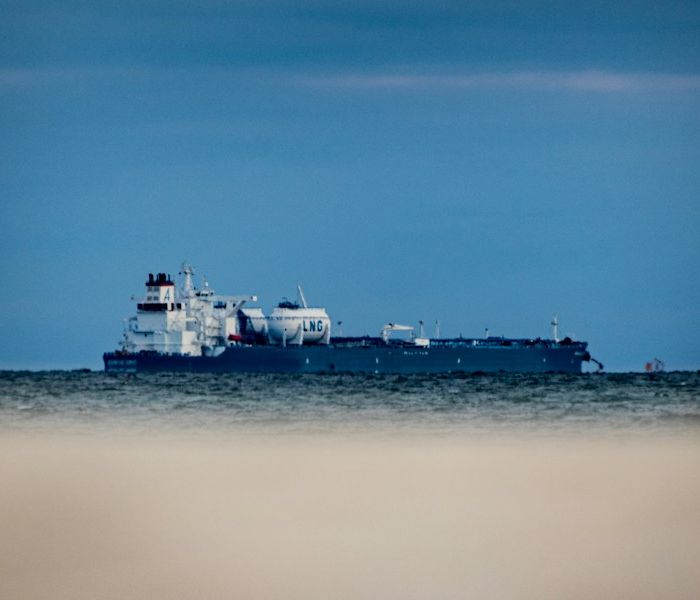
Source and further reading: Reuters reporting, November 10, 2026. Featured image is illustrative, not documentary evidence of the event.