


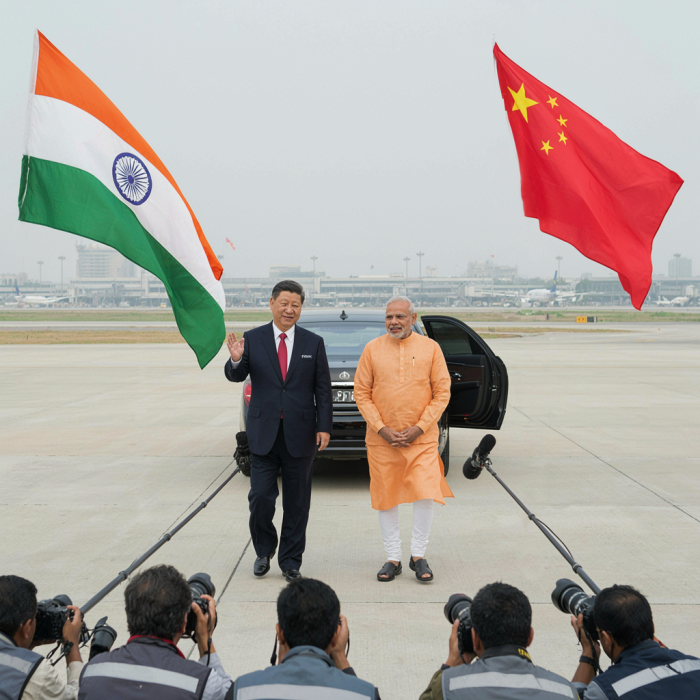
Seven years after his last visit to India, Xi Jinping is expected to return to New Delhi for the September 2026 BRICS summit. At the same time, India’s National Security Adviser Ajit Doval is in Beijing for high-level boundary talks with Wang Yi. The timing is significant. After the Galwan clash and years of military tension along the Himalayas, India and China appear to be testing whether strategic rivalry can coexist with diplomatic and economic engagement.
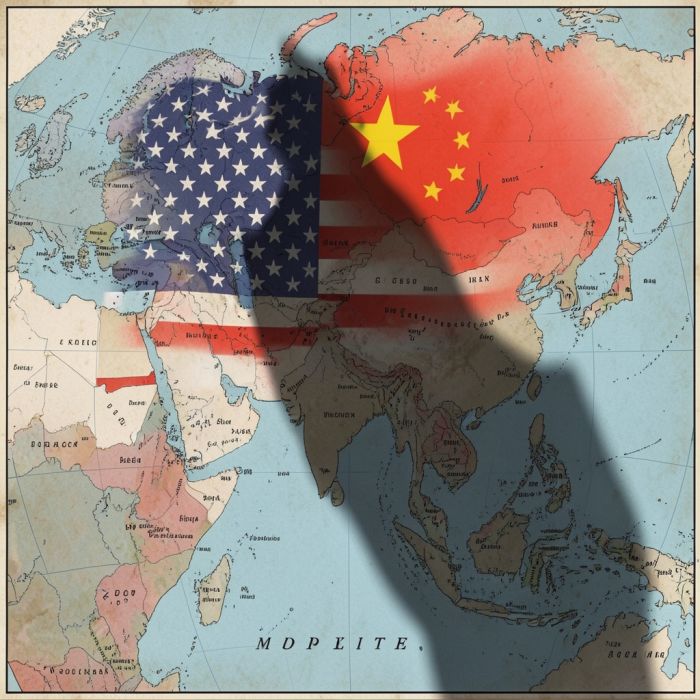
A new geopolitical fault line is emerging across Asia. Washington is reducing some military exercises with South Korea while President Donald Trump renews efforts to engage North Korean leader Kim Jong Un. The developments have triggered concern among US allies including Japan, South Korea, Taiwan and India, which are reassessing how dependable American security commitments will be. At the same time, China is watching closely.
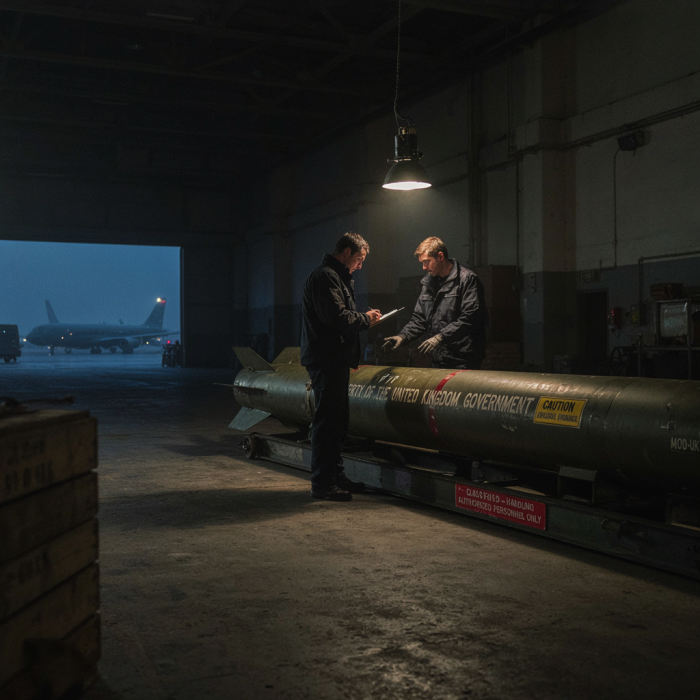
Britain has announced that Ukraine will gain access to classified technology needed to produce components for Storm Shadow long-range cruise missiles. The move came during British Prime Minister Andy Burnham’s first foreign visit to Kyiv and immediately triggered a strong response from Moscow. The decision could mark an important shift from supplying Ukraine with finished weapons toward helping it build more of its own long-range strike capabilities.

The satellite revolution promises faster internet, global connectivity and unprecedented access to remote areas. But a new European Southern Observatory study warns that putting hundreds of thousands or even millions of satellites into orbit could seriously interfere with astronomical observations. The question is no longer whether satellites are changing space. It is whether they could eventually change what humanity is able to see from Earth.
Russia has conducted military exercises involving missiles and naval forces near Japan’s disputed southern Kuril Islands, adding another layer of tension to an already complicated relationship. The drills come at a particularly sensitive time for the Indo-Pacific, where Russia, Japan, China and the United States are increasingly involved in a broader struggle over security and influence.
The global economy has entered another period of uncertainty after President Donald Trump announced sweeping new tariffs on imports from 60 countries. The decision has triggered criticism from key U.S. trading partners, raised concerns about inflation, and revived fears of another global trade war. While the White House argues the move will protect American workers and supply chains, many economists warn it could increase prices and strain international trade.
The Middle East has entered one of its most volatile periods in years after the United States confirmed a new wave of military strikes against Iran. The attacks follow Iran’s missile assault on U.S. forces in Jordan and have intensified fears that the conflict could expand beyond bilateral retaliation into a broader regional war involving multiple countries.
The Gaza conflict has entered another critical phase. Fresh casualties, stalled ceasefire negotiations, and growing humanitarian concerns have once again placed the region at the centre of global diplomacy. While political leaders debate the future of the conflict, millions of civilians continue to face displacement, shortages of food and medicine, and uncertainty about what comes next.
The Strait of Hormuz is only about 33 kilometres (21 miles) wide at its narrowest point, yet it carries roughly one-fifth of the world’s oil supply. As military tensions escalate around this strategic waterway, governments, businesses, and consumers worldwide are watching closely because what happens here could affect fuel prices, inflation, and global economic stability. Recent fighting has slowed tanker traffic and increased concerns over energy security.
India and Australia have announced a major expansion of their strategic partnership, including defence cooperation, uranium exports, and trade negotiations. The agreement reflects a growing effort by both nations to strengthen security and economic resilience across the Indo-Pacific amid an increasingly competitive geopolitical environment.