
Clear Filters
October 30, 2026
by Syed Zuhaib
October 30, 2026
by Syed Zuhaib
Clear Filters
October 29, 2026
by Syed Zuhaib
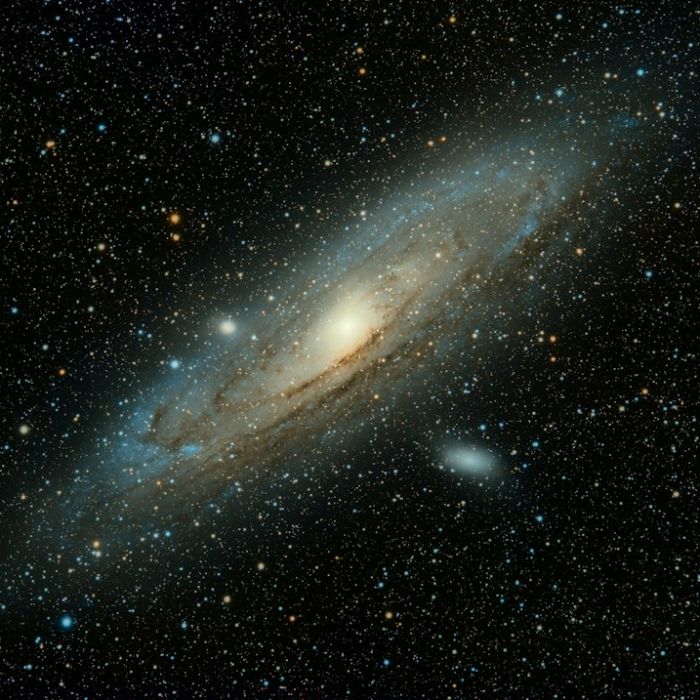
Webb observations reveal GS18660, a ring galaxy seen 2.1 billion years after the Big Bang, with a fast-moving companion and a gas bridge that suggest a possible collision.
October 29, 2026
by Syed Zuhaib
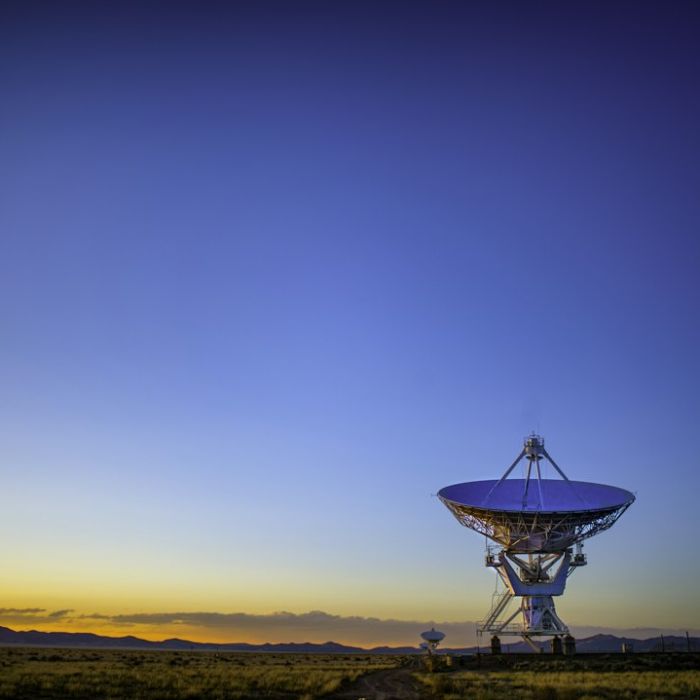
NASA has awarded UCF researcher Anish Roshi Damodaran $175,000 to study PHOENIX, a concept linking up to 25 spacecraft into a high-resolution far-infrared and submillimeter observatory.
October 27, 2026
by Syed Zuhaib
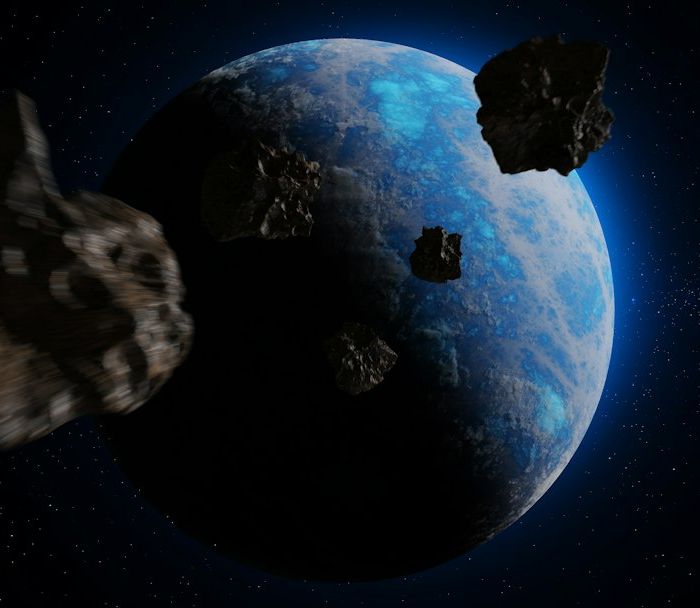
NASA lists five asteroid flybys between October 27 and 30, 2026, all well beyond the Moon. Here are the distances and what they mean.
October 27, 2026
by Syed Zuhaib
James Webb observations suggest that the lava planet TOI-561 b reflects about 75% of incoming starlight, possibly because of mineral clouds.
Clear Filters
Advertising
970x250
Clear Filters
Popular Posts
Clear Filters
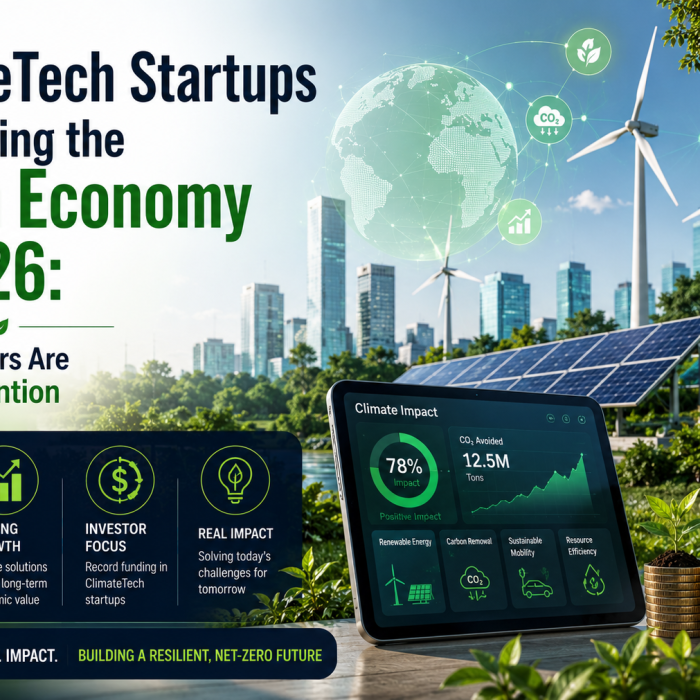

July 26, 2026
by Kh Aasim
Advertising
300x250
Featured Posts
Clear Filters
October 24, 2026
by Kh Aasim
October 25, 2026
by Syed Zuhaib
July 6, 2026
by Syed Zuhaib