

The world’s attention has turned to Ankara, Türkiye, where leaders of the 32 NATO member states are gathering for one of the alliance’s most consequential meetings in recent years. The NATO Summit 2026, taking place on 7-8 July, arrives at a time of heightened geopolitical uncertainty, ongoing conflict in Europe, evolving security threats, and rapid advances in military technology.
While NATO summits traditionally focus on collective defense and alliance coordination, this year’s gathering is expected to shape the alliance’s strategic direction well into the next decade. Issues ranging from defense spending and support for Ukraine to artificial intelligence, cybersecurity, and defense-industrial capacity are expected to dominate discussions.
Why the Ankara Summit Matters
This is only the second time Türkiye has hosted a NATO leaders’ summit, underscoring its strategic importance within the alliance. Situated between Europe, the Middle East, and the Black Sea, Türkiye occupies a critical geographic position that makes it central to NATO’s southern and eastern security architecture.
The summit also comes amid questions about the future balance of responsibilities within NATO. European allies are being encouraged to assume greater responsibility for regional defense while maintaining close cooperation with North America. Leaders are expected to discuss how this transition can strengthen the alliance without weakening collective deterrence.
Defense Spending Takes Center Stage
One of the summit’s primary objectives is reviewing progress toward NATO’s long-term defense investment goals.
At previous meetings, member states committed to significantly increasing defense spending over the coming decade. In Ankara, leaders are expected to evaluate how those commitments are being translated into military capability, infrastructure, logistics, and industrial production.
Rather than focusing solely on spending figures, discussions are expected to emphasize readiness, interoperability between allied forces, and the ability to rapidly respond to emerging crises.
Increasing defense production has also become a priority, with many governments seeking to expand manufacturing capacity for ammunition, air-defense systems, armored vehicles, and advanced technologies.
Continued Support for Ukraine
Ukraine remains one of the summit’s most significant agenda items.
Although Ukraine is not a NATO member, allied governments continue to coordinate military assistance, training, and financial support. Draft summit documents indicate that allies are expected to reaffirm long-term assistance packages for 2026 while expressing continued political support for Ukraine’s sovereignty and security.
Recent Russian missile and drone strikes have reinforced calls from Ukrainian officials for additional air-defense capabilities and sustained international assistance. These developments are likely to influence discussions among NATO leaders as they consider future support mechanisms.
Artificial Intelligence and Modern Warfare
Artificial intelligence has emerged as one of NATO’s newest strategic priorities.
Modern defense increasingly relies on AI-assisted intelligence analysis, cybersecurity, logistics, surveillance, and autonomous systems. As these technologies become more sophisticated, alliance members are working to improve cooperation while ensuring responsible and secure deployment.
European governments are also seeking to strengthen their domestic AI capabilities to reduce dependence on external technology providers and improve resilience across the alliance. AI is expected to feature prominently in discussions on future military modernization.
Cybersecurity and Critical Infrastructure
Modern security threats extend well beyond traditional military operations.
Cyberattacks targeting energy networks, financial institutions, communication systems, and public infrastructure have become increasingly common worldwide. NATO members are expected to strengthen cooperation on cyber defense, intelligence sharing, and protection of critical infrastructure.
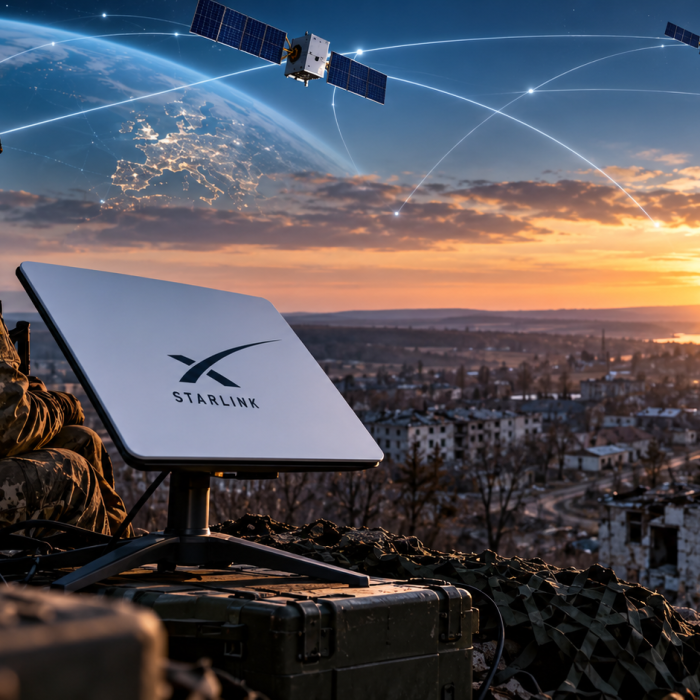
Satellite communications, undersea internet cables, and digital networks are now viewed as essential components of national and alliance security.
Türkiye’s Strategic Role
Hosting the summit provides Türkiye with an opportunity to highlight its growing defense industry and strategic importance.
Ankara has invested heavily in domestic defense manufacturing, including drones, naval systems, armored vehicles, and aerospace technologies. Turkish officials are also expected to seek stronger defense cooperation with allies while promoting regional stability across the Black Sea, Eastern Mediterranean, and Middle East.
The summit reinforces Türkiye’s position as a key bridge between Europe and neighboring regions facing complex security challenges.
What Could the Summit Achieve?
Although major summits rarely produce immediate policy changes, they often establish priorities that shape future cooperation.
Observers expect leaders to reaffirm NATO’s commitment to collective defense under Article 5, strengthen support for Ukraine, encourage increased defense investment, expand industrial cooperation, and deepen collaboration on emerging technologies such as artificial intelligence and cybersecurity.
These decisions are likely to influence defense planning across Europe and North America for years to come.
Looking Ahead
The NATO Summit 2026 reflects how international security is evolving. Traditional military deterrence remains central to the alliance’s mission, but today’s leaders must also prepare for cyber threats, AI-driven technologies, supply chain resilience, and rapidly changing geopolitical dynamics.
Whether discussing defense budgets, technological innovation, or support for partners, the Ankara summit demonstrates that NATO is adapting to a more complex and interconnected security environment.
As global challenges continue to evolve, the decisions made in Ankara may help define not only the future of NATO but also the broader architecture of international security.
Frequently Asked Questions
The NATO Summit 2026 is the annual meeting of leaders from the alliance’s 32 member states, held in Ankara, Türkiye, on 7–8 July 2026 to discuss defense, security, and strategic priorities.
The summit addresses major issues including defense spending, support for Ukraine, cybersecurity, artificial intelligence, and NATO’s long-term strategy.
Support for Ukraine is expected to be reaffirmed, but no formal decision on membership is expected during this meeting based on current public reporting.
Türkiye is a longstanding NATO member with a strategically important location connecting Europe, the Black Sea region, and the Middle East. It also has a growing domestic defense industry.