

The international security landscape is undergoing one of its most significant transformations in decades. As geopolitical competition intensifies, governments are strengthening partnerships, modernizing defense strategies, and expanding cooperation beyond traditional military operations. In 2026, global alliances are no longer focused solely on territorial defense they are increasingly addressing cybersecurity, artificial intelligence, space security, critical infrastructure, and disaster response.
Organizations such as NATO remain central to international security, but they are also adapting to a world where threats have become more complex and interconnected. At the same time, new regional partnerships are emerging across Europe, the Indo-Pacific, and other strategically important regions.
Why Global Alliances Matter
No country can address every security challenge alone. International alliances allow nations to share intelligence, coordinate military planning, conduct joint training exercises, and respond more effectively to emerging crises.
Collective security arrangements also help strengthen deterrence, improve disaster response, protect international trade routes, and promote stability in regions facing political or security challenges.
As global threats evolve, cooperation between allies has become increasingly important for maintaining international peace and economic resilience.
NATO’s Evolving Role
Since its establishment in 1949, NATO has focused on collective defense among its member states. While this mission remains unchanged, the alliance has expanded its attention to include modern security challenges.
Today, NATO members are investing in cybersecurity, missile defense, intelligence sharing, cyber resilience, and advanced technologies such as artificial intelligence and autonomous systems.
The alliance also places growing emphasis on protecting critical infrastructure, including communication networks, energy systems, undersea cables, and satellite-based services that support modern economies.
The Growing Importance of the Indo-Pacific
The Indo-Pacific has become one of the world’s most strategically significant regions due to its major shipping routes, expanding economies, and technological industries.
Countries across the region are strengthening diplomatic relationships, conducting joint military exercises, and enhancing maritime cooperation to support regional stability and freedom of navigation.
Many governments are also increasing collaboration on humanitarian assistance, disaster relief, cybersecurity, and maritime security, reflecting the broad range of challenges facing the region.
Security Beyond the Battlefield
Modern security extends far beyond conventional military operations.
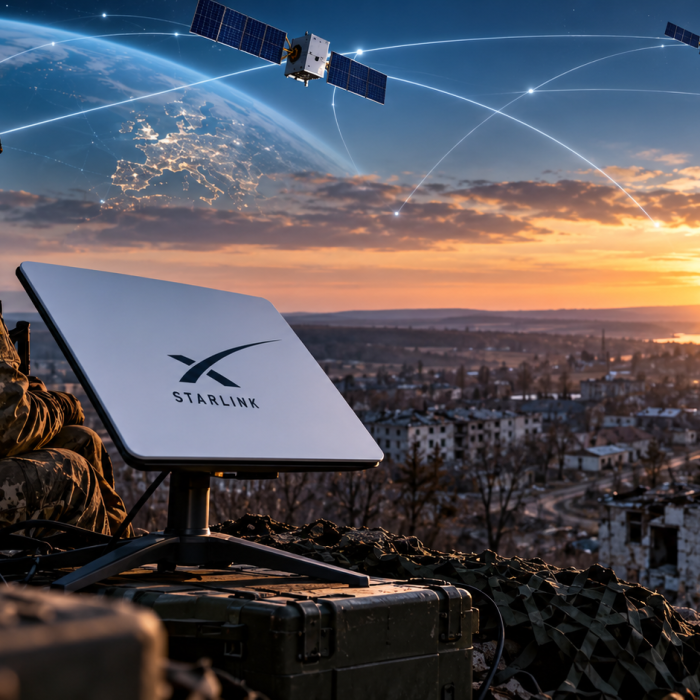
Cyberattacks can disrupt hospitals, transportation systems, financial institutions, and energy networks. Space-based satellites support navigation, communications, weather forecasting, and emergency services, making space security increasingly important.
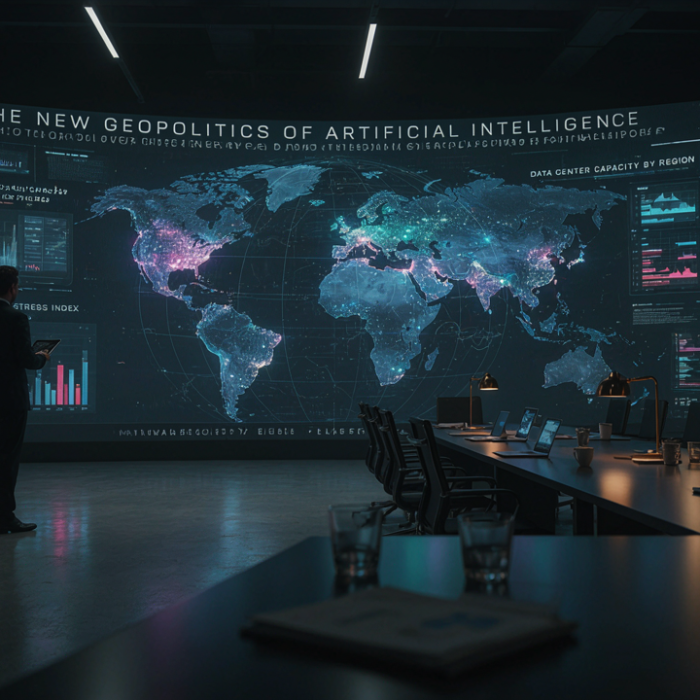
Artificial intelligence is transforming intelligence analysis, logistics, and defense planning, while critical infrastructure protection has become a priority for governments worldwide.
As a result, security partnerships increasingly involve technology companies, research institutions, and civilian agencies alongside traditional defense organizations.
The Role of Emerging Technologies
Artificial intelligence, quantum computing, drones, and advanced communications are reshaping defense capabilities around the world.
Governments are investing in these technologies while also developing international guidelines for their responsible use. Cooperation among allies helps improve interoperability, share technical expertise, and strengthen resilience against evolving cyber threats.
Innovation is becoming just as important as military strength in maintaining long-term security.
Diplomacy Remains Essential
While defense cooperation is expanding, diplomacy continues to play a vital role in reducing tensions and preventing conflict.
Regular dialogue between governments, participation in international organizations, and confidence-building measures help manage disagreements while promoting stability.
Security alliances are most effective when combined with diplomatic engagement, economic cooperation, and respect for international law.
Looking Ahead
Global alliances are adapting to meet the challenges of an increasingly interconnected world. Cybersecurity, climate resilience, artificial intelligence, space technologies, and critical infrastructure protection are now central components of international security planning.
Rather than replacing traditional defense, these new priorities are expanding the scope of global cooperation. As emerging technologies reshape geopolitics, strong partnerships will remain essential for addressing shared challenges and maintaining international stability.
The future of global security will depend not only on military capabilities but also on innovation, diplomacy, and collaboration among nations working toward common goals.
Frequently Asked Questions
NATO (North Atlantic Treaty Organization) is a political and military alliance established in 1949 to promote collective defense and international security among its member states.
They strengthen international cooperation, improve crisis response, enhance cybersecurity, support disaster relief, and help maintain regional and global stability.
Security now includes cybersecurity, artificial intelligence, space infrastructure, critical supply chains, and protection of essential services alongside traditional defense.
Yes. Governments are expected to expand cooperation in technology, cybersecurity, climate resilience, and emerging security challenges while maintaining traditional defense commitments.