
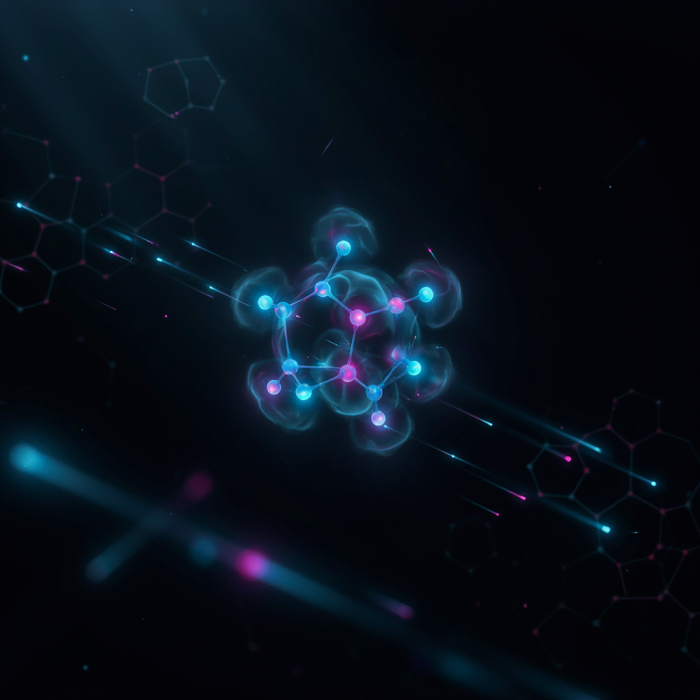
Scientists at the University of Göttingen have developed a method for reconstructing the three-dimensional quantum wavefunction of a molecule. By combining photoelectron spectroscopy, ultrashort soft-X-ray pulses and new mathematical algorithms, researchers produced detailed images of molecular orbitals at a scale smaller than the distance between carbon atoms. The breakthrough could eventually allow scientists to make ultrafast 3D “movies” showing how molecules change during chemical and electronic processes.

Scientists have identified nine existing medicines that may help slow neurological damage associated with childhood dementia. Using patient-derived brain cells and AI-assisted drug screening, researchers found that several already-approved medicines improved cellular function in laboratory models of Sanfilippo syndrome. The discovery could open a potentially faster route toward clinical testing, although human trials are still needed.
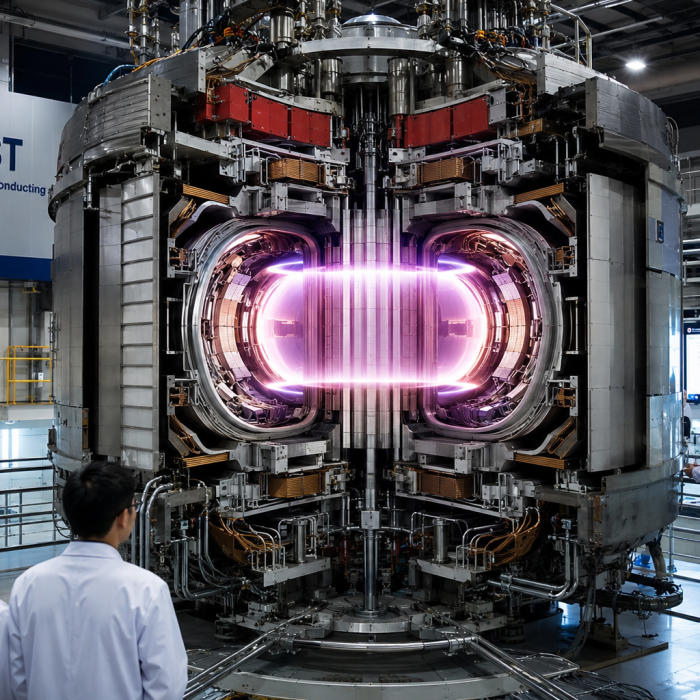
For decades, nuclear fusion has been described as the “holy grail” of clean energy a technology capable of producing vast amounts of power with minimal long-lived radioactive waste and no carbon emissions during operation. China has become one of the leading countries pursuing this goal through its Experimental Advanced Superconducting Tokamak (EAST), commonly known as the “Artificial Sun.” Recent experimental milestones have renewed global interest in whether fusion could eventually transform the world’s energy system.
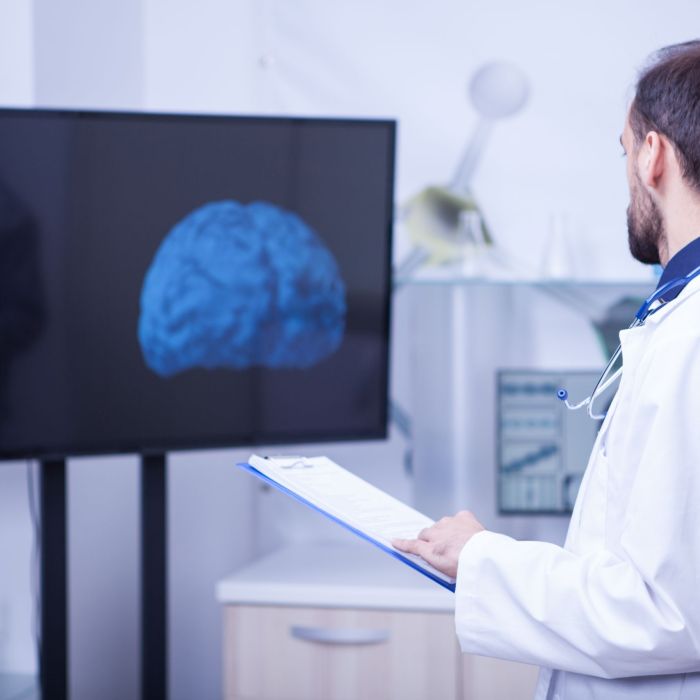
For more than 200 years, Parkinson’s disease has been considered a lifelong neurological disorder that medicine could manage but never truly reverse. Now, a groundbreaking international clinical trial is testing whether implanted dopamine-producing brain cells can rebuild damaged neural pathways. If successful, it could become one of the biggest breakthroughs in neuroscience in decades.