A study of more than 12,000 threespine stickleback across nine lakes suggests source population identity can predict introduction success better than habitat matching alone.
Why reintroductions fail
Moving animals into restored or newly available habitat is a common conservation tool, but success is not guaranteed. A release may fail because food is limited, predators are abundant, disease is present or the animals cannot reproduce. Even where the environment appears suitable, populations can differ in behaviour, genetic composition and tolerance of local pressures.
Managers often choose source populations by comparing their original habitat with the intended release site. This environmental-matching approach is logical, but it may overlook the evolutionary history and biological characteristics of the animals themselves.
The stickleback experiment
Researchers introduced more than 12,000 threespine stickleback from multiple source populations into nine lakes with different environmental conditions. They examined whether source identity or environmental similarity better predicted establishment. The reported result was that the identity of the source population predicted success better than environmental matching alone.
This does not mean habitat conditions are unimportant. It suggests that the source population carries biological characteristics shaped by its own history, and those characteristics may influence survival and establishment after release.
Why population history matters
Populations of the same species can differ in growth, reproduction timing, temperature tolerance, feeding behaviour, predator response and disease susceptibility. Some differences are genetic, while others reflect developmental plasticity or experience in the original habitat. A population that has persisted through difficult conditions may carry a combination of traits that makes it robust even if its original lake looks different from the release site.
Conversely, a population from a seemingly similar environment may be poorly suited because it lacks behavioural or genetic characteristics needed to establish. Source identity can therefore summarise complex differences that a simple habitat comparison misses.
Implications for restoration managers
The findings suggest that source selection should consider genetic data, demographic history, prior introduction outcomes and observed traits, as well as habitat similarity. Small pilot releases and careful monitoring can help identify suitable source groups before a full restoration effort proceeds.
Introductions also carry ecological risks. Released fish can spread disease, compete with native species or alter food webs. Managers should establish whether the target site historically supported the species and whether the intervention benefits the wider ecosystem.
Why the result needs careful interpretation
The research concerns threespine stickleback and a defined set of lakes. It does not establish that source identity will always outweigh environmental matching for birds, mammals, amphibians or other fish. Species differ in dispersal, reproduction and ecological constraints, so the result should guide new tests rather than become a universal rule.
Long-term monitoring is also essential. Establishment should mean more than short-term survival after release. Researchers need to examine reproduction, persistence, genetic integration and effects on the receiving ecosystem.
Why the origin of a reintroduced animal matters
Moving animals between populations is a common conservation tool, but it is not a simple matter of finding a habitat that looks suitable. Individuals carry inherited traits shaped by their population’s history. Those traits can influence how they respond to temperature, predators, food availability, water chemistry, disease and seasonal conditions. Two lakes may appear similar on a map while differing in ways that affect survival and reproduction.
The stickleback research highlighted in the recent conservation literature examined introductions involving more than 12,000 threespine stickleback from multiple source populations into nine lakes with different environmental conditions. The reported result was that source population identity predicted introduction success better than environmental matching alone. This does not mean habitat is unimportant. It means the biological history of the fish being moved can be a major part of the outcome.
Local adaptation is only part of the explanation
Populations can become adapted to local conditions over generations. Differences in predator communities, water temperature, food resources and seasonal cycles may favour different traits. Moving fish into a new lake can disrupt the relationship between those inherited traits and the environment. A population that performs well in one setting may not perform equally well elsewhere.
However, source effects may also reflect genetic diversity, demographic condition, maternal effects or other differences among donor populations. A study of introduction outcomes needs to distinguish these possibilities. Researchers cannot assume that one successful source population carries a single identifiable advantage that can be transferred to every other restoration project.
Why matching habitat remains necessary
The finding should not be interpreted as permission to ignore the receiving ecosystem. Water quality, oxygen, temperature, flow, food supply, vegetation, disease exposure and predator pressure remain fundamental. If the habitat cannot support the species, choosing a different source population will not solve the problem. The practical lesson is that conservation planning should assess donor population and recipient habitat together.
Habitat matching is also important for preventing ecological harm. A released population can compete with native species, introduce pathogens or alter food webs. Before any transfer, managers need to assess whether the species belongs in the receiving system, whether the habitat can support it and whether the introduction could create unintended effects.
How a responsible translocation should be designed
A well-designed project begins with a clear conservation objective. Managers should define whether they are restoring a population that disappeared, reinforcing a declining population or establishing a new refuge against future threats. Each objective requires different evidence and different measures of success.
Donor populations should be surveyed for abundance, health, genetic diversity and evidence of disease. Sampling should avoid removing so many individuals that the source population becomes weaker. The receiving habitat should be assessed for ecological suitability and long-term security. Permits, animal welfare procedures, transport conditions and biosecurity protocols should be established before fish are moved.
Where feasible, managers can use pilot releases or staged introductions rather than moving a large number of animals at once. Monitoring should track survival, growth, reproduction, dispersal and effects on other species. A project should include clear decision points: continue, modify or stop the intervention if evidence shows that the expected benefit is not occurring.
Genetic tools can improve decisions, but cannot replace field data
Genetic analysis can help identify relatedness, population structure and potentially useful variation. It may reveal that two visually similar groups are genetically distinct or that a small donor population has already lost substantial diversity. Such information can prevent inappropriate mixing and help managers avoid repeatedly drawing animals from the same family line.
But genetic data need to be interpreted alongside ecological observations. A genome does not provide a complete forecast of how an animal will behave in a new habitat. Field experiments and long-term monitoring remain essential. Researchers also need to publish unsuccessful introductions, because negative results help other conservation teams avoid repeating costly mistakes.
What the finding means for conservation policy
Restoration programmes are often judged by the number of animals released. That figure is easy to communicate, but it is a poor measure of lasting success. The more meaningful questions are whether animals survive, reproduce and establish a self-sustaining population without harming the receiving ecosystem. Source population identity adds another factor that planners should record and evaluate.
The broader message is that translocation is a biological intervention, not a delivery exercise. Good outcomes depend on the interaction between the animal’s history and the place where it is released. By paying closer attention to both, conservationists can make reintroduction programmes more evidence-based and reduce the risk of spending resources on releases that do not produce durable recovery.
Frequently asked questions
What is environmental matching?
Selecting a source population whose original habitat resembles the release environment.
What did the study find?
Source population identity predicted introduction success better than environmental matching alone.
Does it apply to all species?
Not automatically; the findings require testing in other species and ecosystems.
Sources and further reading
- Cell Press, November 23, 2026: stickleback source-population research
- The Morning Science conservation digest
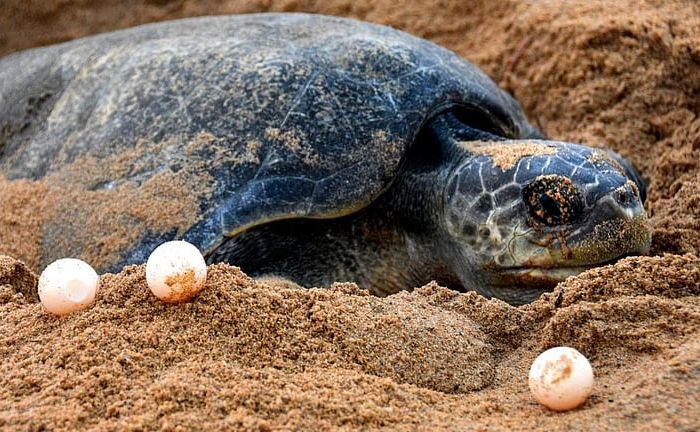
- Featured image: AI-generated illustrative image, created with Google AI for World of Now. No photographer; not a documentary photograph.