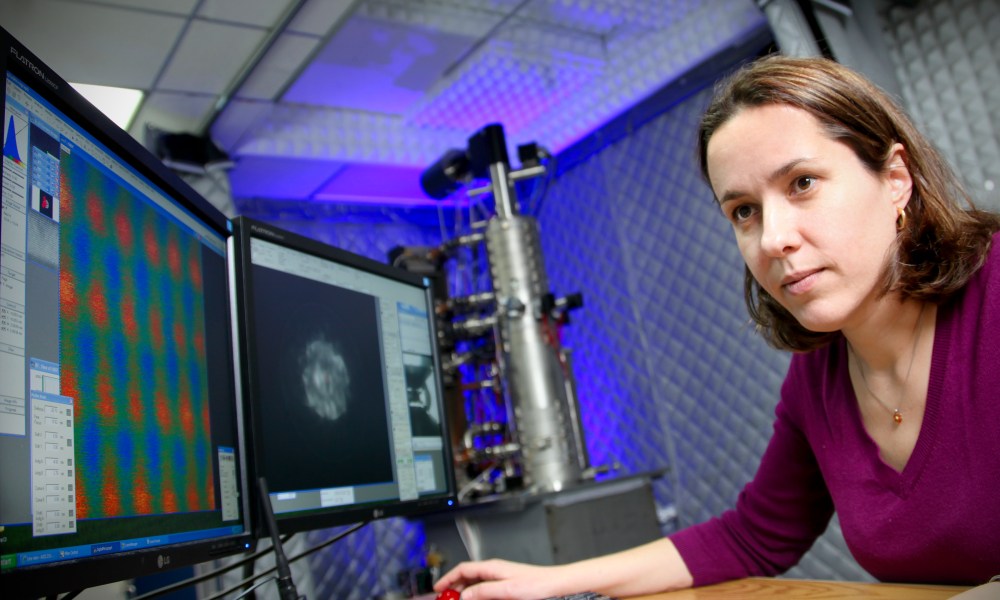

A Nature Physics experiment used microwave signals to drive two kinds of operation between electron qubits held close together on solid neon.

Researchers report that brain responses associated with meaning can be predicted across languages, suggesting that human semantic processing has shared features beyond individual languages.
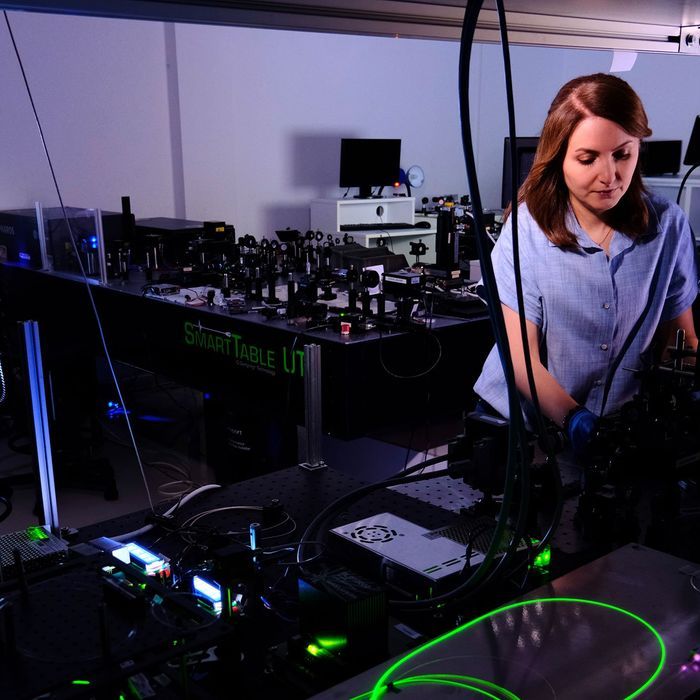
Researchers have demonstrated a way to write nanoscale optical structures deep inside material while compensating for beam distortion. The technique could help build compact three-dimensional photonic devices.
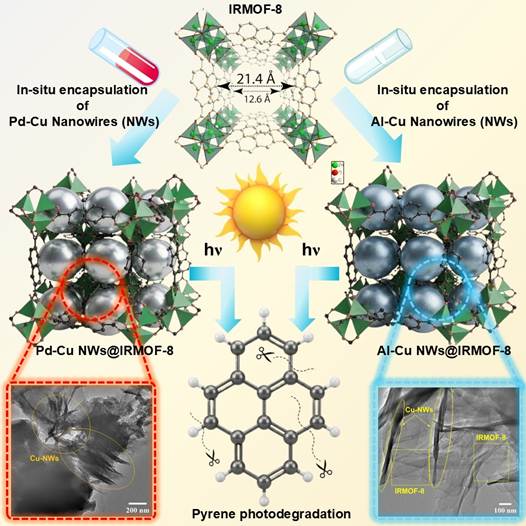
Researchers at IASST in Guwahati report a hybrid material that combines copper nanowires, a porous metal-organic framework and palladium or aluminium nanostructures. Under the tested conditions, the systems removed 85% to 99% of pyrene, a persistent pollutant.
A Nature Communications study published on 24 November reports a perovskite cell with 26.61% room-temperature efficiency, a 23.58% mini-module and more than 95% efficiency retention in specified laboratory tests. The key advance is a more controlled 2D/3D interface, although commercial durability remains unproven.
A Nature Communications study published on 24 November introduces a transparent, soil-like 3D microgel system that lets researchers observe how plant roots and fungi communicate before physical contact. The platform could improve studies of crop disease and root biology, but it is not yet a field-ready agricultural technology.