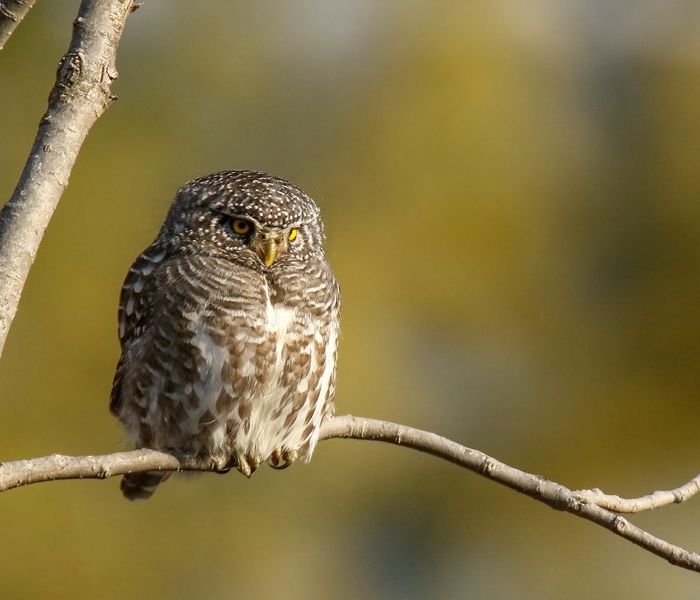
A new horizon scan of conservation issues identifies emerging developments that could shape biodiversity research and policy over the coming decade.
What a horizon scan does
Horizon scanning is a structured effort to identify developments that may become important before they are widely recognised. In conservation, this can include new technologies, changing land use, emerging diseases, policy shifts, climate pressures and changes in how people interact with wildlife. Researchers assess which issues could have significant implications for biodiversity and deserve early attention.
A horizon scan is not a prediction that every issue will become a crisis. Some signals may fade as evidence develops, while others may become major challenges. Its value is in prompting monitoring, research and policy discussion while there is still time to prepare.
Why early signals matter
Wildlife declines are often recognised only after populations have fallen substantially. By then, habitat fragmentation, invasive species or disease may be difficult and expensive to reverse. Early signals can include new wildlife trade routes, technologies that change access to remote habitats, emerging pathogens or shifts in the economics of land conversion.
A scan can bring attention to issues that fall between established research fields. A new industrial process may have ecological consequences that are not part of routine environmental assessment. Changes in agriculture can alter pollinator networks, soil communities and bird populations over time.
Technology can help and harm
Remote sensing, environmental DNA, acoustic monitoring and machine learning can help researchers detect species and habitat changes more quickly. At the same time, infrastructure, extraction methods and automated systems can alter ecosystems or increase access to previously remote places. The effect depends on how a technology is deployed and what safeguards accompany it.
The important question is not whether technology is inherently good or bad for nature. It is who controls its deployment, whether impacts are assessed and whether conservation requirements are built into decisions early enough.
Climate pressures are changing the baseline
Climate change can shift species ranges, alter breeding seasons, intensify drought and heat, and change the timing of food availability. Conservation plans based on historical climate conditions may become less reliable as habitats change. Species unable to move, adapt quickly or find suitable microclimates may face rising risk even inside protected areas.
Connectivity between habitats can help some species move as conditions change, while restoration of wetlands, forests and rivers can provide refuges. But corridors need careful planning because they can also help invasive species or pathogens spread.
Turning a scan into action
A useful horizon scan should lead to measurable next steps. Researchers can identify data gaps, agencies can add emerging threats to monitoring plans and policymakers can test whether existing regulations cover new activities. Conservation organisations can build partnerships before a problem becomes a crisis.
Uncertainty must remain explicit. A potential threat should not be reported as an established impact without evidence. Decision-makers can instead identify what observations would confirm the concern, which habitats are most exposed and what low-regret safeguards can be introduced while evidence accumulates.
What a conservation horizon scan is designed to do
A horizon scan is an early-warning exercise. Researchers identify developments that may not yet be widely recognised as major conservation issues but could influence biodiversity over the coming decade. The purpose is not to predict the future with certainty. It is to help scientists, governments, conservation organisations and communities prepare for plausible risks before they become emergencies.
The 2027 horizon scan is the eighteenth edition of this exercise. It draws attention to emerging issues that may affect biodiversity conservation globally. Such scans are valuable because environmental change is not driven by one pressure alone. New technologies, changing trade patterns, shifting diseases, political decisions and ecological disruptions can interact in ways that are difficult to anticipate from traditional species-by-species monitoring.
Why emerging threats can be difficult to recognise
Conservation systems are often designed around pressures that are already visible: habitat conversion, overexploitation, pollution, invasive species and climate change. These remain central, but new risks can develop at the edges of established policy. A technology may spread faster than regulation. A change in commodity demand may alter land use in a distant region. A new pathogen may move through trade networks before wildlife surveillance detects it.
Early signals are often uncertain. Researchers may have limited data, conflicting projections or evidence from only a few locations. A horizon scan therefore does not mean that every issue identified will become a global crisis. It means the issue merits attention, monitoring and discussion because the cost of being unprepared could be high.
Turning a list of issues into practical action
The usefulness of a horizon scan depends on what happens after publication. Governments can use emerging-risk assessments to identify gaps in environmental monitoring and update policy. Research funders can support studies that clarify poorly understood threats. Protected-area managers can consider whether their plans are robust to new pressures. Businesses can examine whether supply chains are creating ecological risks that are not visible at the point of purchase.
For example, a potential threat linked to a new industrial process may require baseline surveys before activity expands. A disease concern may justify improved reporting and biosecurity. A new form of wildlife trade may need traceability rules and enforcement training. The appropriate response depends on the evidence and the scale of the risk; precaution does not mean treating every possibility as established fact.
Why biodiversity risks are interconnected
Species rarely face one isolated pressure. Forest fragmentation can make populations more vulnerable to heat, disease and hunting. Climate change can alter the range of invasive species. Infrastructure can open previously remote habitats to extraction or settlement. A new market can increase demand for a resource while weakening local incentives to protect it.
This interaction is why conservation planning increasingly looks at landscapes and systems rather than only individual species. Monitoring needs to connect ecological data with information about land use, trade, public health, technology and economic decisions. Interdisciplinary research can help identify when several moderate pressures combine into a serious threat.
How to judge uncertainty responsibly
Emerging-risk reports should be read as structured assessments, not as definitive predictions. Decision-makers need to distinguish between a documented impact, a plausible mechanism and a speculative possibility. They should ask what evidence supports the concern, what assumptions shape the projection, which regions or species may be affected and what additional data would change the assessment.
Transparent uncertainty is a strength. It allows scientists to update conclusions as new evidence appears and helps policymakers choose proportionate measures. It also reduces the risk of alarm fatigue, in which repeated warnings that are not clearly explained make audiences less responsive to genuine emergencies.
What citizens and organisations can do
Public participation can improve early warning. Local naturalists, Indigenous and community organisations, researchers and park staff often notice changes before they appear in national datasets. Reporting unusual wildlife mortality, invasive species, habitat disturbance or suspected illegal trade through established channels can help authorities investigate. Businesses can assess sourcing and land-use impacts, while schools and universities can support biodiversity monitoring and public understanding.
The value of the 2027 scan is ultimately measured by whether it encourages earlier, better-informed action. Conservation cannot eliminate uncertainty, but it can reduce the time between recognising a threat and responding to it. Preparing for emerging issues is not a substitute for addressing familiar drivers of biodiversity loss; it is a way to make conservation more resilient as those drivers evolve.
Frequently asked questions
Does a horizon scan predict extinctions?
No. It identifies emerging issues that may affect biodiversity.
Who uses horizon scans?
Researchers, conservation agencies, policymakers and environmental organisations.
Why is it useful?
It can prompt research and policy responses before risks become severe.
Sources and further reading
- The Morning Science, November 24, 2026: 2027 conservation horizon scan
- UN Environment Programme: Nature and biodiversity updates
- Featured image: AI-generated illustrative image, created with Google AI for World of Now. No photographer; not a documentary photograph.