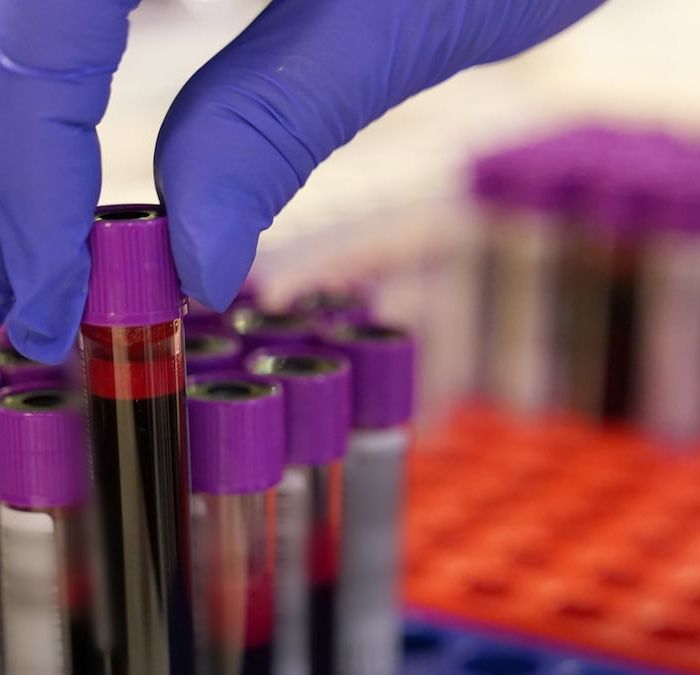
A new review from University of Colorado Anschutz researchers examines how genetics, microbiome signals, immune markers and environmental exposures could help identify rheumatoid arthritis risk before symptoms appear. AI may help integrate the data, but prevention is not yet a routine clinical reality.
The disease may start before the joints hurt
Rheumatoid arthritis is usually recognised through joint pain, swelling, stiffness and inflammation, but the biological processes that lead to those symptoms can begin years earlier. A review discussed by researchers at the University of Colorado Anschutz Medical Campus examines how advances in immunology, genetics, microbiome research and artificial intelligence could help identify people at elevated risk before permanent joint damage occurs. The review was published in Nature Reviews Rheumatology and reported by CU Anschutz on 23 November 2026.
The idea of a preclinical phase is not entirely new. Researchers have long known that some people develop autoantibodies associated with rheumatoid arthritis before they develop swollen joints. What is changing is the ability to study a wider range of biological signals together. Genetics, immune-cell behaviour, proteins, mucosal microbiomes and environmental exposures may each provide part of the picture. The challenge is to combine them in a way that improves prediction without labelling healthy people as patients unnecessarily.
The review’s long-term goal is a shift from treating established joint inflammation toward identifying the people most likely to develop disease and testing whether intervention before symptoms can change the outcome. That is a research direction, not a proven screening programme available to everyone. Many people with risk markers will never develop rheumatoid arthritis, so any future approach must balance early detection with the possibility of false alarms, anxiety and unnecessary treatment.
What happens in the immune system before symptoms
Rheumatoid arthritis is an autoimmune disease in which the immune system mistakenly targets the body’s own tissues, especially the lining of joints. Autoantibodies such as anti-citrullinated protein antibodies, often called ACPA or anti-CCP, can appear before clinical arthritis. Their presence is associated with increased risk, but it is not a guarantee that disease will develop. The timing and pattern of immune changes vary from person to person.
Researchers have been investigating how immune activity may begin at sites outside the joints, including the lungs, mouth and gut. Mucosal surfaces are constantly exposed to microbes, particles and environmental signals. In some people, local inflammation may contribute to the development of abnormal immune responses. The precise sequence is still being studied, and no single exposure explains all cases. Smoking, genetic susceptibility and other environmental factors can interact in complex ways.
The CU Anschutz report describes work tracking people with anti-CCP antibodies and studying changes in immune cells before swollen joints appear. These observations suggest that the disease process may involve a broader immune transition before it becomes clinically visible. Understanding that phase could help researchers identify which biological changes are most predictive and which might be modifiable through prevention strategies.
Why artificial intelligence is being considered
AI systems can analyse large datasets containing many different types of information. A risk model might combine genetic variants, autoantibody levels, immune-cell profiles, protein measurements, microbiome data and environmental exposures. Some of these variables may have weak predictive value on their own, but their combination could reveal patterns that are difficult to detect using a small number of conventional tests.
The goal is not for an algorithm to diagnose rheumatoid arthritis by itself. A useful clinical model would need to estimate risk, explain uncertainty and support a decision made with a qualified clinician. It would also need to be validated in independent populations. A model trained mainly on people from one country or ancestry group may perform less accurately elsewhere, particularly when genetic variation, environmental exposures and access to healthcare differ.
AI can also create risks. A prediction that someone is likely to develop arthritis could lead to anxiety or unnecessary monitoring if the model is poorly calibrated. Personal biological data are sensitive and require strong privacy safeguards. Researchers must be transparent about false-positive rates, the populations used to train the model and the evidence that acting on a prediction improves outcomes. A technically impressive model is not automatically a clinically useful one.
What prevention could look like
If researchers can identify people at genuinely high risk, future trials could test whether carefully selected interventions delay or prevent clinical disease. Possible strategies may include changes to modifiable risk factors, closer monitoring, management of oral or lung inflammation where appropriate, and in some cases medicines that alter immune activity. Each approach needs evidence from controlled studies. Treatment should not be offered simply because a person has a biomarker without a clear understanding of likely benefit and harm.
Prevention research is difficult because rheumatoid arthritis may develop slowly and not every person with autoantibodies progresses to disease. Trials need enough participants and enough follow-up time to determine whether an intervention changes the rate of progression. Researchers must also define meaningful outcomes. Delaying symptoms by a few months may be less valuable than preventing persistent joint damage, improving long-term function or reducing the need for lifelong treatment.
The best prevention strategy may not be identical for every person. Someone with a strong family history, multiple autoantibodies and a particular immune profile may have a different risk from someone with a single low-level marker. Personalised risk assessment could help determine who needs closer follow-up and who can be reassured. But risk stratification must be based on validated evidence, not speculative scores.
Why early detection matters for patients
Once rheumatoid arthritis becomes active, persistent inflammation can damage cartilage, bone and other joint structures. Early diagnosis and treatment can improve the chance of controlling inflammation and preserving function. That is why people with ongoing joint swelling, prolonged morning stiffness or unexplained inflammatory symptoms should seek medical assessment rather than waiting for severe pain. The new research does not change the need for timely clinical evaluation when symptoms occur.
An earlier understanding of disease biology could eventually make care more proactive. Instead of waiting for swelling to appear, clinicians might be able to identify a small group of people who need more frequent review or preventive interventions. That could be especially valuable if future treatments are shown to work best before irreversible damage begins. However, the threshold for acting on a prediction must be carefully chosen because most risk markers are not destiny.
Patients should also be protected from commercial claims that promise to predict or prevent rheumatoid arthritis using unvalidated tests. A biomarker panel or AI score should not replace a clinical assessment. People considering testing should ask whether the method has been validated in independent studies, whether it changes medical decisions and what the consequences of a positive result would be. The science is moving forward, but responsible communication is essential.
The research gaps that remain
One challenge is determining where the earliest immune changes begin. Studies of lung, oral and gut microbiomes have generated hypotheses, but researchers need longitudinal data to understand which changes precede autoimmunity and which occur as a consequence of it. Repeated sampling over years can help establish the sequence, but it is expensive and difficult to maintain. Large collaborations may be needed to recruit enough participants and collect comparable data.
Another challenge is making risk models fair and generalisable. Many datasets have uneven representation by age, sex, ancestry and socioeconomic background. If a model is not tested across different populations, it may overestimate risk for some groups and miss risk in others. Researchers need to report performance transparently and monitor models after they are introduced into clinical practice. Fairness is a clinical safety requirement, not a technical afterthought.
Finally, prevention must be evaluated in terms of outcomes that matter to people. Avoiding joint damage, maintaining mobility, reducing fatigue and preserving the ability to work and participate in daily life are more important than simply changing a laboratory marker. The next stage of research should connect biological prediction to trials that show whether acting early makes a meaningful difference to patients.
What readers should take away now
The most important message is that rheumatoid arthritis is a complex disease with a biological history that may begin before joint symptoms. Researchers are increasingly able to study this period and are exploring whether AI can combine multiple types of information to identify people at higher risk. That could open a path toward prevention, but the path still requires validation, clinical trials and careful evaluation of harms and benefits.
For people who already have symptoms, the findings are not a reason to delay care or pursue experimental tests without medical advice. Early diagnosis and evidence-based treatment remain central to protecting joints. For people who have no symptoms, a family history or isolated biomarker result does not mean that arthritis is inevitable. Risk is probabilistic and needs to be interpreted in context.
The next few years should bring more detailed studies of the preclinical phase, improved tools for combining biological data and trials of interventions aimed at delaying disease. If these efforts succeed, rheumatoid arthritis care could move toward identifying high-risk pathways before damage occurs. Until then, AI-based prediction should be viewed as an active research area rather than a proven prevention service.
Frequently asked questions
Can rheumatoid arthritis begin before joint pain?
Yes. Autoantibodies and other immune changes can appear years before clinical joint swelling or pain, although not everyone with these markers develops the disease.
Can AI predict who will develop rheumatoid arthritis?
Researchers are exploring models that combine genetics, microbiome, immune and environmental data. These approaches still require independent validation and clinical trials before routine use.
Should people without symptoms get tested for rheumatoid arthritis risk?
Routine population screening is not established. Anyone with symptoms or concerns should discuss them with a qualified clinician, who can interpret risk factors and tests in context.