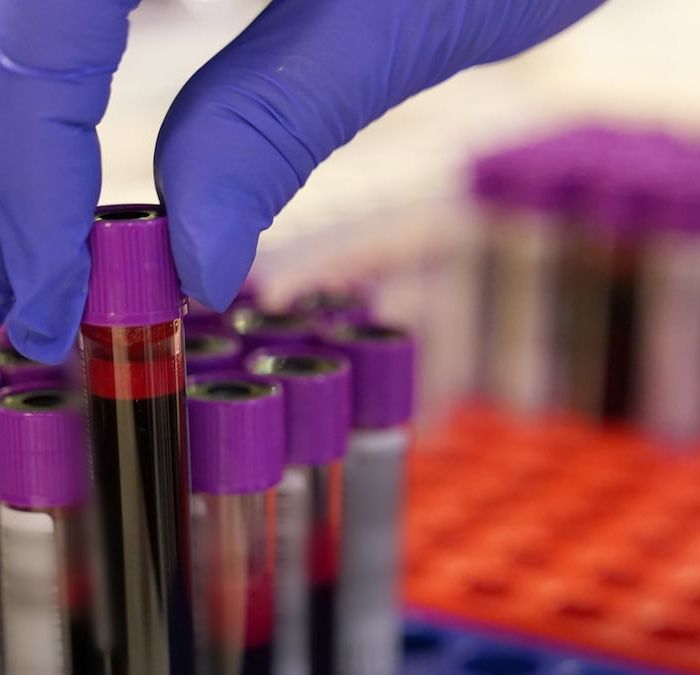
A randomised trial across 13 US states found that a community-designed online group intervention improved HIV and hepatitis C testing, overdose-prevention actions and social connection. The benefits weakened over time, highlighting the need for sustained support.
A trial that treats social connection as part of public health
A randomised controlled trial published in Nature Health on 20 November 2026 suggests that community connection can strengthen access to preventive health services. The study enrolled 511 participants across 13 US states, with 481 included in the analysis. It tested a remote, group-based programme that combined social support with access to HIV and hepatitis C testing and overdose-prevention resources, including naloxone. Participants in the comparison group received relevant educational materials developed by the US Centers for Disease Control and Prevention.
The researchers were interested in more than whether participants read health information. Their primary outcome combined several practical behaviours: completing HIV testing, completing hepatitis C testing, taking steps to prevent HIV, requesting naloxone, carrying naloxone and making or rebuilding at least one social connection. The design reflects a growing recognition that health behaviours are influenced by trust, belonging, social networks and access to services, not only by an individual’s knowledge of medical risk.
The results were strongest immediately after the intervention. The study reported an odds ratio of 4.44 for the composite outcome at immediate follow-up, with a 95% confidence interval from 3.17 to 6.22. The intervention group also remained ahead at three months, with an odds ratio of 1.68. By six months, the primary outcome difference was no longer statistically significant. That pattern is important: a well-designed short-term programme can produce meaningful improvements, but maintaining them may require continuing contact or additional support.
What the intervention included
The programme was designed to create a supportive group environment while connecting participants with concrete health resources. Remote delivery can reduce some barriers associated with travel, stigma and limited local services. Group interaction can also help participants exchange practical information and build relationships with peers who understand similar challenges. The intervention did not treat social connection as a vague wellbeing slogan. It linked social contact to actions such as testing, prevention planning and carrying naloxone.
HIV and hepatitis C testing are important because infections can remain undiagnosed for long periods. People may not seek testing if they fear judgement, cannot access a clinic easily or do not know where confidential services are available. Remote support and clear referral pathways can help people take the first step. However, testing alone is not enough. A positive result needs to be followed by confirmatory testing, counselling, treatment access and support to remain engaged in care.
Naloxone is a medication that can rapidly reverse an opioid overdose by temporarily blocking the effects of opioids. It is an important harm-reduction tool because overdoses can become fatal within minutes. The study measured whether participants requested and carried naloxone, which are practical indicators of preparedness. These measures do not prove that an overdose was prevented during the trial, but they show whether participants took steps that could help them or someone nearby respond to an emergency.
The strength and limits of the results
The immediate odds ratio of 4.44 indicates that participants receiving the intervention had substantially higher odds of achieving the composite outcome than those in the control group at the first follow-up. It does not mean that every individual behaviour increased by 4.44 times, nor does it mean that the programme reduced overdose deaths by that amount. The composite outcome combines several actions, and the study was designed to evaluate those actions rather than mortality.
At three months, the odds ratio of 1.68 suggests that an advantage remained, although it was smaller than the immediate effect. At six months, the reported result was no longer statistically significant at the conventional threshold. This weakening may reflect the fading influence of a time-limited programme, changing access to resources, participants’ circumstances or the difficulty of sustaining group relationships without ongoing facilitation. The authors say future work should test booster sessions, ongoing peer contact and continued access to health resources.
The sample size and follow-up period also matter. A trial involving 481 analysed participants is valuable, but it cannot answer every question about long-term population health. The study took place across 13 US states and focused on a specific combination of health risks and social needs. The findings should not be assumed to apply unchanged to every country, age group or community. Replication in different settings would help determine which parts of the programme are essential and which need local adaptation.
Why social isolation can affect health behaviour
Social isolation can influence whether people seek care, trust health information and receive help during a crisis. Someone with few supportive relationships may be less likely to hear about testing services, ask questions about treatment or carry emergency medication. Stigma can make these barriers stronger. When a health intervention creates a trusted setting where participants can discuss concerns, it may make practical steps feel more manageable.
Social connection is not a substitute for medical care, treatment or public policy. It is one factor that can help people navigate those systems. A peer group cannot replace a laboratory test, an HIV clinician or a substance-use treatment programme. But it can help a person find those services, prepare questions, reduce shame and stay engaged after the first contact. Public-health programmes are more effective when they connect social support with reliable clinical pathways.
The study’s design also raises questions about how health systems define success. Traditional programmes often measure how many leaflets were distributed or how many people attended a session. The researchers measured whether participants completed tests, obtained prevention resources and strengthened at least one social connection. These outcomes are closer to the behaviours that a public-health programme wants to change, although long-term clinical outcomes remain necessary for a complete evaluation.
What health services can learn from the findings
Clinics and community organisations can use the results as a reason to examine how people move from information to action. A referral is only useful if the person can complete it. Barriers may include transport, cost, clinic hours, confidentiality concerns, language, stigma or uncertainty about what happens after a test. Remote group programmes can address some of these obstacles, but they need clear referral partners and a process for urgent clinical needs.
The approach may be especially useful when health services are fragmented. A person seeking HIV testing may also need hepatitis C screening, overdose prevention, mental-health support or help with housing. A community-designed programme can connect these needs rather than treating each as an unrelated appointment. That does not mean every participant should be pushed into every service. It means programmes should make relevant support available in a way that respects choice and privacy.
The trial also underlines the importance of community participation in programme design. Interventions are more likely to be trusted when they reflect the language, experiences and priorities of the people they are intended to reach. Community organisations can help identify what makes participants feel safe, which forms of contact are acceptable and what kinds of support are realistic. Researchers should involve participants in evaluating whether the programme is accessible and whether it unintentionally excludes people with limited internet access or unstable schedules.
What should happen next
The next stage is to test how the programme can maintain its effects. The authors point to booster sessions, continued peer contact and ongoing access to resources as possible approaches. Researchers could compare different levels of follow-up support to determine which are most effective and affordable. They should also examine whether improvements in testing and prevention translate into better health outcomes over a longer period.
Future studies can investigate which elements drive the benefit. Is it the group format, the presence of a facilitator, access to testing, naloxone availability, peer support or the combination? Understanding the active ingredients can help health systems adapt the programme without losing what makes it effective. Researchers should also study cost, staff time, digital access and the resources needed to maintain safe and confidential group environments.
The trial offers a useful reminder that prevention is not only about delivering information. It is about creating conditions in which people can act on that information. Social relationships can help make care more accessible, but they need to be supported by trustworthy services and sustained resources. The weakening of the effect by six months is not a reason to dismiss the programme. It is a clear signal that short-term engagement should be linked to longer-term public-health infrastructure.
Frequently asked questions
What did the community health trial test?
It tested a remote, group-based intervention that combined social connection with access to HIV and hepatitis C testing and overdose-prevention resources, including naloxone.
How long did the benefits last?
The composite outcome improved immediately and remained significantly better at three months. The primary outcome difference was no longer statistically significant at six months.
Does the study prove that social connection prevents overdose deaths?
No. It measured a combined set of testing, prevention and social-connection actions. It did not establish a reduction in overdose mortality.