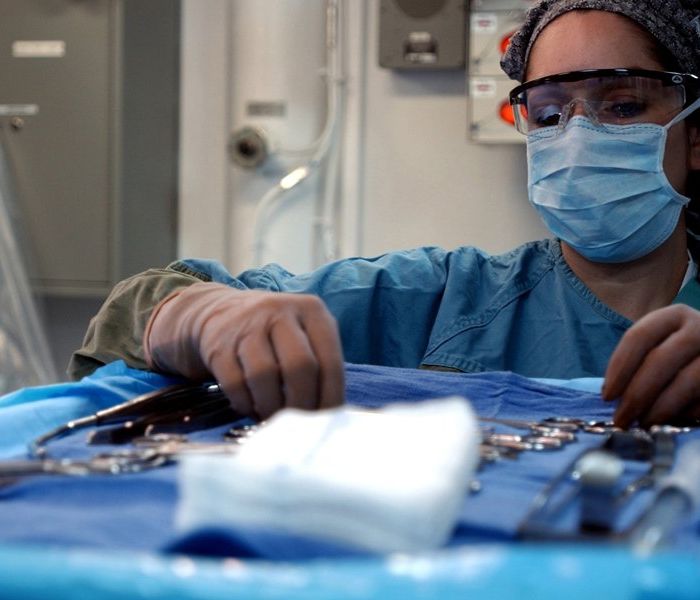
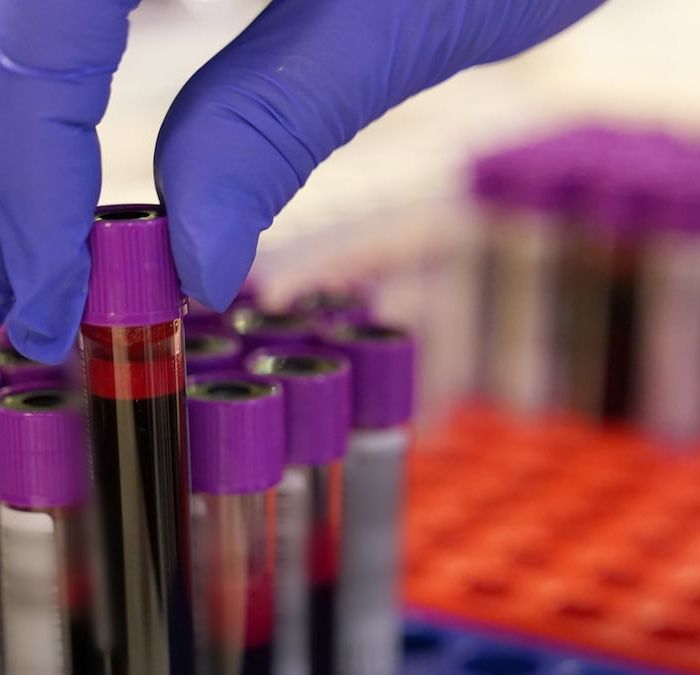
The TIFR-CMC facility will use whole-room calorimetry to measure energy expenditure and support research tailored to India’s nutrition and metabolic-health challenges.
A new facility for measuring how the human body uses energy
India has opened its first dedicated Human Metabolic Chamber Facility at Christian Medical College in Vellore, Tamil Nadu. The facility is a collaboration between CMC Vellore and the Tata Institute of Fundamental Research, supported by the Department of Atomic Energy. It is designed to strengthen research into nutrition, metabolism, diabetes, obesity and related conditions.
The facility was inaugurated on 23 November 2026 by Union Health Secretary Punya Salila Srivastava. The government described it as an important step towards generating research evidence that reflects the characteristics and health risks of India’s population, rather than relying solely on findings from other countries.
How a metabolic chamber works
A human metabolic chamber is a room-sized calorimeter. It measures the oxygen a person consumes and the carbon dioxide they produce while living inside the controlled environment, potentially for 24 hours or longer. Researchers can observe energy expenditure across periods that include rest, sleep, meals and ordinary movement.
These measurements provide a detailed picture of how the body uses energy. They can help researchers study resting metabolism, the effect of food and activity, and differences between individuals. The approach is more controlled than estimating energy expenditure from questionnaires or activity trackers, although it is also more specialised and cannot reproduce every aspect of daily life.
Why India-specific evidence is important
Metabolic health is influenced by genetics, diet, physical activity, environment, age and other factors. Food patterns and daily routines vary substantially between populations. Evidence developed in one country may not fully describe energy needs or metabolic responses in another setting.
India faces a complex mix of nutrition-related challenges. Diabetes and obesity are major concerns, while undernutrition and micronutrient deficiencies also remain important. Researchers need tools that can help explain how diet, body composition and energy use interact across different groups. A dedicated chamber can support carefully designed studies that add objective measurements to clinical and population research.
What researchers may be able to investigate
The facility could support studies of energy expenditure, the relationship between diet and metabolism, and how metabolic patterns differ across age groups or health conditions. It may also help researchers evaluate how interventions affect energy use. In diabetes and obesity research, accurate measurements can improve understanding of how the body responds to food intake and changes in activity.
However, the chamber is a research instrument, not a diagnostic service or a treatment facility. Its value will depend on the quality of the studies conducted, the diversity of participants recruited and the way findings are translated into clinical guidance. A controlled measurement is only one part of understanding a complex condition.
A collaboration with a wider research purpose
The partnership brings together CMC Vellore’s clinical expertise and TIFR’s research capabilities. The inauguration also highlighted the role of the Advanced Research Unit on Metabolism, Development and Aging and the support of the Department of Atomic Energy. Government officials encouraged collaboration with national institutions and research networks to build datasets that can inform prevention and healthcare policy.
Such facilities are expensive and technically demanding, so collaboration can help broaden access and maximise their research value. Shared protocols, transparent reporting and carefully selected study populations will be important if findings are to inform national-level decisions.
From a laboratory capability to public-health impact
The opening is an infrastructure milestone, not an immediate solution to diabetes or obesity. The public-health impact will emerge only as research questions are defined, studies are completed and results are tested against real-world clinical outcomes. The most useful work may be the kind that connects precise metabolic measurements with practical questions: how different diets affect energy balance, how metabolic responses vary across populations, and which interventions are effective for people at different stages of life.
India’s first dedicated human metabolic chamber gives researchers a new way to investigate those questions. Its long-term contribution will be measured by the evidence it produces and whether that evidence improves prevention, diagnosis and care.
Frequently asked questions
Where is India’s first dedicated human metabolic chamber?
It has been established at Christian Medical College, Vellore, through a collaboration with TIFR.
What does the chamber measure?
It measures oxygen consumption and carbon dioxide production to help calculate energy expenditure over extended periods.
Is the chamber a medical treatment facility?
No. It is a research facility intended to support studies of metabolism, nutrition, diabetes and obesity.
Sources and reporting
Featured image: AI-generated illustration, created with Google AI.