Chinese teams ran a full recovery rehearsal at Dongfeng on November 26 ahead of Shenzhou-23’s return from the Tiangong space station. The drill tested the coordination of aircraft, ground crews and medical teams in darkness. Pakistan’s first astronaut is expected to travel back aboard the capsule.
What China rehearsed at Dongfeng
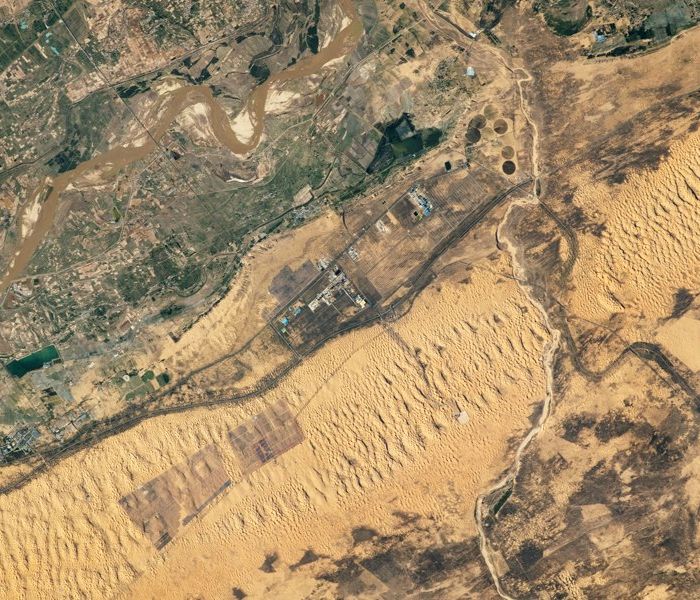
China’s recovery teams practised finding and reaching a crew capsule at night on November 26 as preparations advanced for the return of Shenzhou-23 from the Tiangong space station. State broadcaster CCTV reported that the Dongfeng landing site organised a full-system drill. Its account described the exercise as preparation for the crew’s return. The people and equipment went through a simulated recovery with the spacecraft still on its mission.
English-language reporting by Bastille Post described aircraft, ground vehicles, communications staff and medical teams taking part. Crews used a model of the return capsule to simulate the point where search operations hand over to the personnel who secure the site and help the astronauts. The rehearsal checked how different groups work together in darkness. Each has to be ready for the others to complete their task before it can carry out its own.
Chinese state media said the spacecraft was due to return in the coming days. The November 26 report did not confirm that the spacecraft had departed the station or landed. Recovery readiness is one milestone before those events. The timing of the flight depends on the mission’s orbital and operational plan, and a landing report will establish when the capsule touched down and who returned in it.
Bastille Post reported that five helicopters took part and that they rehearsed searching an area of about 1,300 square kilometres. Crews then moved toward the simulated touchdown point as updated information became available. The area covered in the drill is a measure of the scope of the exercise. It gives a sense of why talk of a scheduled landing location is only part of the story. Aircraft searching from above and crews arriving by ground can make different contributions, and a practice run brings those movements together before the actual return.
Why the return involves two Shenzhou crews
Shenzhou-24 arrived at Tiangong on November 25. Chinese state media reported that the arriving crew entered the station and joined the astronauts who were already aboard. One of the arrivals was Muhammad Zeeshan Ali of Pakistan, the first foreign astronaut to visit Tiangong. The Associated Press reported on the flight and Pakistan’s congratulations to China, independently covering the mission’s international significance.
Chinese mission reporting says Ali is expected to travel back on Shenzhou-23 with two members of that mission. The exchange illustrates how the crew of a long-duration station and the people travelling in each capsule can differ. A visiting astronaut can make a shorter trip while station crew remain in orbit for longer. A handover between missions allows some people to leave after their replacements or colleagues have arrived.
For the station, a crew change involves transferring responsibility for ongoing work. Incoming crew need to understand which systems are in use and which tasks are already under way. For the returning spacecraft, the immediate priorities become checking cabin systems, preparing the occupants and confirming the timeline with ground controllers. The change of astronauts aboard does not remove the need for the control centre and recovery crews to validate each stage of the return.
The same reporting identified the astronauts surnamed Zhang and Li as the two Shenzhou-23 astronauts due to return with Ali and said Zhu Yangzhu would remain aboard Tiangong. A return plan can keep a crew member in orbit beyond the departure of the vehicle that brought that person up. The manifest of the capsule therefore matters to readers tracking individual assignments. At the end of the return the composition of the group can be verified independently of which mission first launched each astronaut.
Why locating a capsule at night takes several teams
A designated landing region gives recovery crews a place to stage equipment. The immediate challenge after touchdown is to reach the spacecraft at the point where it actually comes to rest. Flight controllers refine their estimate as the capsule descends. People on the ground need those updates, and a coordinated search helps the first rescuers reach the capsule before additional personnel and equipment arrive.
Darkness changes how crews recognise landmarks and the capsule itself. Lighting has to support the people finding the vehicle as well as those who work beside it. Maintaining communications between aircraft and people on the ground is important because they may see different things and reach the area at different times. The November exercise allowed them to practise handing off the estimated position and then making the site safe for the crews who would open the hatch.
A large rehearsal also helps to show whether a plan written for separate units works when all of them carry it out at once. A recovery may bring people to the same location who have different equipment and operational requirements. A medical team may need access to the capsule while others are still arranging lighting or securing the area around it. A practice run can expose gaps before there are astronauts waiting to be assisted.
What crews and medical teams do after touchdown
Landing ends the descent but starts work for the people on site. Teams check the area around the capsule, make contact with the occupants and arrange how to bring them out safely. Medical staff can evaluate how the crew tolerated the descent and identify anyone who needs immediate attention. Reports on the Shenzhou-23 exercise described preparations for overnight cold, which matters both for the astronauts and for staff who may be working outdoors around the capsule.
People who spend a long time in orbit can need help moving after they return to Earth because their bodies have become accustomed to microgravity. An astronaut returning from a short visit and another coming home after months in orbit may have different needs. Preparing to support each person is part of treating medical recovery as a stage of the mission alongside the flight itself. A statement that a capsule has landed offers some information about the mission. A subsequent update on the condition of those aboard answers a different question.
These procedures are of interest beyond China’s space programme. Missions that carry international astronauts rely on host operators for much of the transport and ground support. A planned visiting flight involves preparation for launch, time aboard the station and return, with different teams handling each. The November 26 exercise shows the work that continues on Earth while the spacecraft is still orbiting.
What to watch when the spacecraft departs
The next milestone is a report of undocking from Tiangong. After that, mission controllers can give information about departure and the descent. A successful end to the mission would be established by confirmation of landing and recovery from the teams involved. The November rehearsal confirmed that those groups had practised working together. It offers no account of the outcome of the actual flight.
For Pakistan, confirmation that Ali has returned would close the first orbital visit by one of its astronauts. For the Tiangong programme, it would mark another personnel transition while a crew continues working aboard the station. Readers following the mission should look for announcements that distinguish the timing of the landing from the subsequent medical and operational checks. That distinction is especially useful when early reports carry only one of those details.
Frequently asked questions
Did Shenzhou-23 land on November 26?
Reports on November 26 described a rehearsal at Dongfeng. The spacecraft’s return was still ahead.
Who is expected to return aboard Shenzhou-23?
Chinese reporting says two members of Shenzhou-23 and Pakistani astronaut Muhammad Zeeshan Ali are expected to return aboard the spacecraft.
Why was the exercise conducted in darkness?
The teams practised finding and reaching the capsule under conditions expected for a night-time recovery.