India’s ICMR has released findings from the SAMPADA 2023–2025 nutrition survey, one of the country’s largest assessments of anaemia and micronutrient status. The survey covered more than 200,000 people in 183 districts across 35 States and Union Territories and analysed more than 170,000 blood samples for haemoglobin. The results suggest lower anaemia prevalence than earlier national surveys, but the remaining burden is substantial: 42% among children aged 12–59 months, 46% among adolescent girls and 56% among women of reproductive age. The findings point to the need for better-targeted prevention, diagnosis and follow-up.
Photo: Adrian Sulyok / Unsplash.
A large survey offers a more detailed national picture
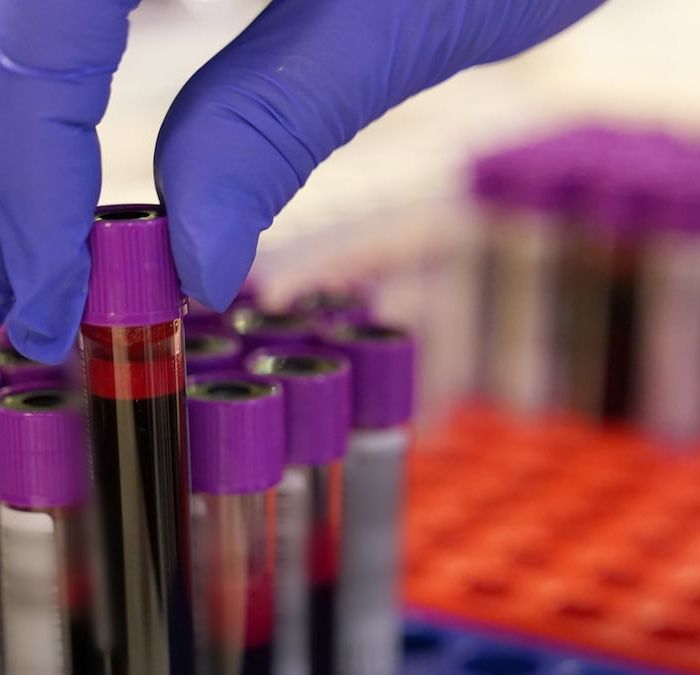
The Indian Council of Medical Research has released key findings from the Survey for Assessment of Markers of Population Health, Activity, Diet and Anthropometry, known as SAMPADA. The 2023–2025 survey covered more than two lakh people from over 81,000 households across 183 districts in 35 States and Union Territories. More than 1.7 lakh blood samples were analysed for haemoglobin, giving the study a broad evidence base across age groups and life stages.
The survey’s scale is important because anaemia is not a single-condition problem with one cause. Low haemoglobin can reflect iron deficiency, but it can also be associated with deficiencies of other nutrients, inflammation, infections, inherited blood disorders and chronic disease. SAMPADA included a subsample in which researchers assessed iron status, folate, vitamin B12 and inflammatory biomarkers. This broader approach can help public-health teams identify where different interventions may be needed.
The headline numbers show both progress and a continuing burden
The government says the survey found lower anaemia prevalence compared with previous national surveys. The reported estimates include 42% among children aged 12 to 59 months, 46% among adolescent girls aged 10 to 19 years, 22% to 23% among adolescent boys and men aged 20 to 59 years, and 56% among women of reproductive age. These figures suggest that the burden is not evenly distributed across the population.
A lower estimate than an earlier survey is encouraging, but it does not mean anaemia has been solved. When more than four in ten young children or more than half of women of reproductive age are affected, the public-health challenge remains substantial. Comparisons between surveys also need care because sampling, measurement methods and population coverage can differ. SAMPADA’s use of venous blood samples and automated analysers is intended to improve the accuracy and reproducibility of haemoglobin estimates.
Why children and adolescent girls need attention
Anaemia in young children can affect development, learning and physical growth. Iron is needed for haemoglobin, which carries oxygen in the blood, and it also supports several processes involved in brain development. A child with anaemia may appear tired or less active, but symptoms are not reliable enough to diagnose the condition. A blood test and clinical assessment are needed to establish whether anaemia is present and what may be causing it.
Adolescent girls face a different set of risks. Menstruation increases iron requirements, while growth, dietary patterns and unequal access to nutritious food can contribute to low iron intake. School-based nutrition programmes, iron-folic acid supplementation where recommended, deworming in appropriate settings and access to testing can all play a role. The survey’s finding that 46% of adolescent girls were affected highlights the importance of interventions that reach girls before pregnancy and support their health over the life course.
Women of reproductive age remain a priority
The reported 56% prevalence among women of reproductive age is one of the most important findings for public-health planning. Iron requirements can rise during pregnancy, and anaemia may increase the risk of fatigue, reduced work capacity and complications when severe. A woman who enters pregnancy with depleted iron stores may have less reserve to meet the needs of both herself and the developing baby.
The survey does not mean every woman with low haemoglobin has iron-deficiency anaemia. Testing may be needed to assess iron status and identify other causes, particularly when anaemia is moderate or severe, recurrent or does not respond to treatment. The Ministry of Health has emphasised that people with moderate and severe anaemia should be identified through appropriate testing and followed until the condition is resolved. This is a reminder that distribution of supplements alone cannot replace diagnosis and monitoring.
Why iron is not the only answer
Iron deficiency is an important cause of anaemia, but treating every case as an iron problem can miss other conditions. Vitamin B12 or folate deficiency, chronic inflammation, infections, kidney disease and inherited haemoglobin disorders may also contribute. In some people, taking iron without a clear indication can delay the correct diagnosis or cause side effects. The right treatment depends on the cause, severity and clinical context.
SAMPADA’s subsample assessment of iron status, folate, vitamin B12 and inflammatory markers is designed to help distinguish these pathways. The government’s summary says iron deficiency accounts for about half of anaemia cases among women, adolescent girls and children. It also reports that vitamin B12 and folate deficiency were present at similar levels in anaemic and non-anaemic people, suggesting they made a limited contribution to the overall anaemia burden in this survey. Inflammation can complicate interpretation because it affects how the body stores and uses iron. A ferritin result, for example, may be influenced by inflammation and should be interpreted with other clinical information. The survey’s broader approach could help public-health programmes move from a one-size-fits-all strategy toward more targeted care.
What the findings mean for health services
A national survey becomes useful when its findings inform decisions at district and community levels. Areas with high anaemia prevalence may need stronger nutrition programmes, better access to testing, reliable supplies of supplements and improved follow-up. Health workers can use screening opportunities during antenatal care, child health visits and adolescent health programmes to identify people who may need assessment.
The data can also help evaluate existing programmes such as Anaemia Mukt Bharat. If prevalence is falling overall but remains high in particular age groups, the next step is to examine why some populations are benefiting more than others. Local food availability, household income, dietary diversity, sanitation, infections and health-service access may all influence outcomes. A programme that combines nutrition education, supplementation, diagnosis and treatment is more likely to make durable progress than a campaign focused on one intervention alone.
What families can do without self-diagnosing
Families can support healthy blood levels through varied diets that include iron-containing foods, adequate protein and sources of folate and vitamin B12. Depending on local diets and preferences, foods such as pulses, beans, leafy vegetables, meat, eggs and fortified staples may contribute useful nutrients. Vitamin C-rich foods can improve the absorption of non-haem iron from plant sources. Tea and coffee taken with meals can reduce iron absorption in some circumstances, so timing may matter.
Diet alone may not correct moderate or severe anaemia, and symptoms such as tiredness, breathlessness, dizziness or poor concentration are not specific to iron deficiency. People who are concerned should speak with a qualified health professional about appropriate testing. Supplements should be used according to clinical or public-health guidance, especially in children and during pregnancy. The survey is a population-level assessment, not a personal diagnosis or a reason to start high-dose iron without advice.
The next measure of progress is sustained follow-up
SAMPADA gives India a more detailed picture of anaemia across the life course, but one survey cannot show whether every individual programme is working or why a particular person is anaemic. Continued surveillance will be needed to track changes, identify high-risk groups and assess whether interventions are reaching people who need them. Transparent publication of detailed findings will also help researchers compare results across regions and years.
The most useful outcome will be fewer people developing anaemia and more people receiving the correct treatment when it occurs. That requires coordination between nutrition, primary care, maternal health, schools, sanitation and food systems. The survey suggests that progress may be happening, but the remaining prevalence figures show that the task is far from complete. The next phase should focus on targeted prevention, accurate diagnosis and confirming that people recover, rather than counting only how many tablets or food packages were distributed.
Frequently asked questions
Does the SAMPADA survey show that anaemia has been eliminated in India?
No. The survey suggests lower prevalence than earlier national surveys, but the reported figures remain high: 42% among children aged 12–59 months, 46% among adolescent girls and 56% among women of reproductive age.
Does every case of anaemia mean iron deficiency?
No. Iron deficiency is common, but anaemia can also be linked to vitamin B12 or folate deficiency, inflammation, infections, kidney disease and inherited blood disorders. Testing helps identify the cause.
Should people start iron supplements after reading the survey?
No. The survey describes population-level patterns. Individuals should seek appropriate testing and clinical advice, particularly if symptoms are persistent or anaemia is moderate or severe.