Chemicals used in plastics, food packaging, cosmetics, textiles and other everyday products can interfere with the body’s hormone system. A major new WHO–UNEP assessment says the evidence has strengthened since 2012—and that testing and regulation have not kept pace.
On 17 November 2026, the World Health Organization and UN Environment Programme released State of the Science of Endocrine-Disrupting Chemicals 2026, their first major joint update since 2012. The report does not say every plastic container or cosmetic is dangerous. It says exposure is widespread, evidence of harm has strengthened for several outcomes, and most registered chemicals have not been adequately assessed for endocrine effects.
What are endocrine-disrupting chemicals?
Endocrine-disrupting chemicals, or EDCs, are substances that can interfere with hormone systems. Hormones are biological messengers involved in growth, reproduction, metabolism and brain development. Disrupting their production, release or signalling can affect processes that depend on precise timing.
EDCs are not one chemical family. The report discusses bisphenols such as BPA, phthalates, certain pesticides, polychlorinated biphenyls and some per- and polyfluoroalkyl substances (PFAS). These substances have uses in plastics, food-contact materials, textiles, cosmetics, electronics, furniture and medical devices. Exposure can occur through food, drinking water, air, dust or contact with products.
The presence of a chemical group in an item does not by itself prove that the item creates a meaningful health risk. The specific substance, amount, route, duration and timing of exposure all matter.
Why exposure before birth matters
One of the report’s central themes is the importance of developmental windows. Hormones help guide the formation of the brain, reproductive system and other organs. During fetal development, childhood and puberty, some biological systems are especially sensitive to signals that regulate growth and maturation.
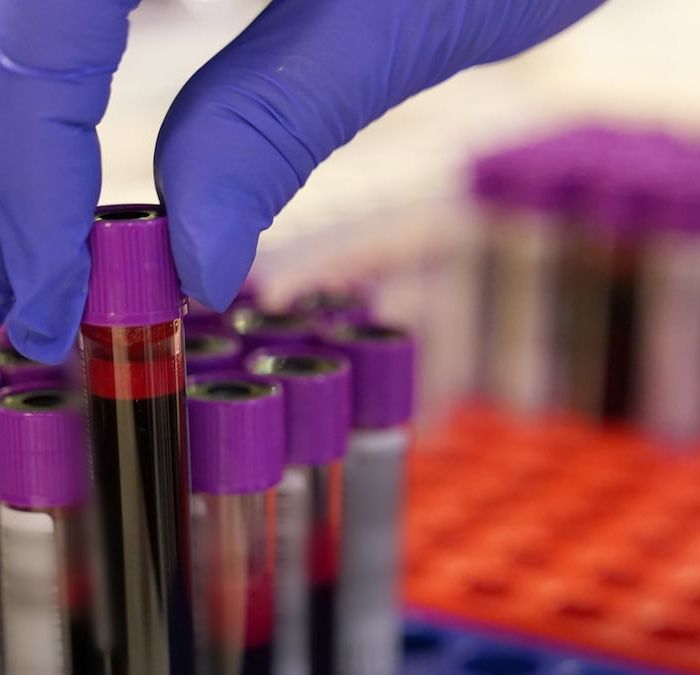
Researchers have detected EDCs in human blood, breast milk and umbilical cord blood, showing that exposure can occur before birth. The assessment finds strong evidence linking prenatal and early-life exposure to several chemical classes with effects on neurodevelopment, cognition and behaviour. Some consequences may not become apparent until later in life.
What the evidence says about health
The 2026 assessment reviews human studies, laboratory research and evidence from animals. It reports strengthened evidence in several areas:
- Reproductive and thyroid health: certain EDCs are linked with changes in reproductive development, fertility and thyroid function.
- Brain and behaviour: prenatal and early-life exposure to several chemical groups is associated with effects on neurodevelopment, cognition and behaviour.
- Metabolic health: research links some bisphenols, phthalates, PFAS and pesticides with obesity, insulin resistance, type 2 diabetes and metabolic liver disease.
- Immune and other conditions: evidence is growing around immune development, asthma and allergies; the report also describes emerging evidence involving cancer and cardiovascular health.
These findings should not be read as proof that a particular chemical caused an individual illness. Human studies can be affected by multiple exposures and other factors. The report distinguishes stronger evidence from unresolved questions. It is a scientific assessment, not a diagnostic guide for individuals. That distinction between a promising signal and a validated clinical test also matters in other areas of medicine, as World of Now explained in its coverage of a research-stage blood biomarker for chronic traumatic encephalopathy.
The mixture problem: real life is not a laboratory test
People and wildlife are rarely exposed to one substance at a time. A person may encounter different chemicals through food, water, indoor dust, cosmetics and work. The report warns that many regulatory systems still assess chemicals one by one, even though real-world exposure involves mixtures and other stressors.
Another concern is “regrettable substitution”: replacing a restricted chemical with a structurally similar or poorly tested alternative that may create comparable problems. A safer-product claim is meaningful only when the replacement has been properly assessed.
A US$1.1 trillion estimate—and what it means
The report estimates that health-related costs associated with EDC exposure exceed US$1.1 trillion annually worldwide. This is not a direct bill calculated from every chemical and every country. It extrapolates from disease-cost studies in the European Union, United States and Canada to a global figure of roughly 1 per cent or more of world GDP under conservative assumptions.
The authors describe the estimate as a lower bound. It covers a subset of diseases and chemicals for which causal attribution was considered sufficiently established, excludes PFAS-related health effects from the underlying estimates and does not include ecological costs such as damage to biodiversity, drinking-water quality and food production.
Why the report matters for India
India’s manufacturing, agriculture and consumer markets make chemical safety an important public-health issue. The UNEP–WHO assessment notes that a national biomonitoring programme for chemical toxicants is being initiated in India. It also says the fifth publicly available draft of the Chemicals (Management and Safety) Rules dated to 2020 and that, as of July 2026, a final Gazette notification had not appeared. This does not mean India has no chemical controls; it highlights the need for consistent testing, disclosure, monitoring and enforcement.
For Indian readers, the issue connects to the wider relationship between homes, workplaces, food, water and health. World of Now has previously explored how environmental conditions affect health in India; chemical exposure is another part of that public-health picture.
What governments, manufacturers and consumers can do
The report calls for stronger testing programmes, clearer criteria for identifying EDCs, better biomonitoring and more transparent information about chemicals used in products. Its companion UNEP synthesis translates the science into actions across food packaging, cosmetics, toys, textiles, healthcare, agriculture and waste.
Manufacturers can assess ingredients earlier, disclose relevant information and avoid replacing restricted substances with inadequately tested substitutes. Regulators can improve chemical inventories, require evidence for safer alternatives and strengthen laboratory capacity. Health and environmental agencies can coordinate monitoring so exposure patterns are not hidden in separate datasets.
Individuals do not need to treat every household item as a threat. Practical steps may include using glass or stainless-steel containers for storing or heating food when suitable, ventilating indoor spaces, following product safety instructions and disposing of medicines, electronics and hazardous waste properly. These steps may reduce some avoidable exposures, but cannot replace effective standards and product oversight. Changes involving medical products should be discussed with a qualified healthcare professional.
What happens next?
The report arrives as governments, industry and civil society meet in Geneva for the first International Conference of the Global Framework on Chemicals, running from 16 to 20 November 2026. Its significance will depend on whether governments set consistent rules, companies provide verifiable information and researchers receive resources to track exposure over time.
The message is clear without being alarmist: not every chemical is harmful, and not every exposure leads to disease. Yet the evidence is strong enough to justify better testing and prevention—especially when exposure can begin before birth and effects may last across a lifetime.
Frequently asked questions
Are all plastics and cosmetics unsafe because they may contain EDCs?
No. The presence of a chemical associated with endocrine activity does not automatically mean a product creates a meaningful risk. The substance, exposure level, route, duration and timing matter. The report calls for better testing and disclosure rather than assuming every product is dangerous.
Can endocrine-disrupting chemicals affect a baby before birth?
Exposure can occur before birth. EDCs have been detected in umbilical cord blood and maternal samples. The report identifies prenatal and early-life development as sensitive periods, but a detection alone cannot predict an individual outcome.
What is the most useful step consumers can take?
Use products as directed, ventilate indoor spaces and choose products with clear safety information where possible. These steps can reduce some avoidable exposures, but stronger testing and regulation are more important for population-wide protection.
Sources
- UNEP and WHO — State of the Science of Endocrine-Disrupting Chemicals 2026 (17 November 2026).
- UNEP — Evidence mounts that exposure to hormone-disrupting chemicals starts before birth (17 November 2026).
- UNEP — What are endocrine-disrupting chemicals and how do they affect our health and the environment? (17 November 2026).