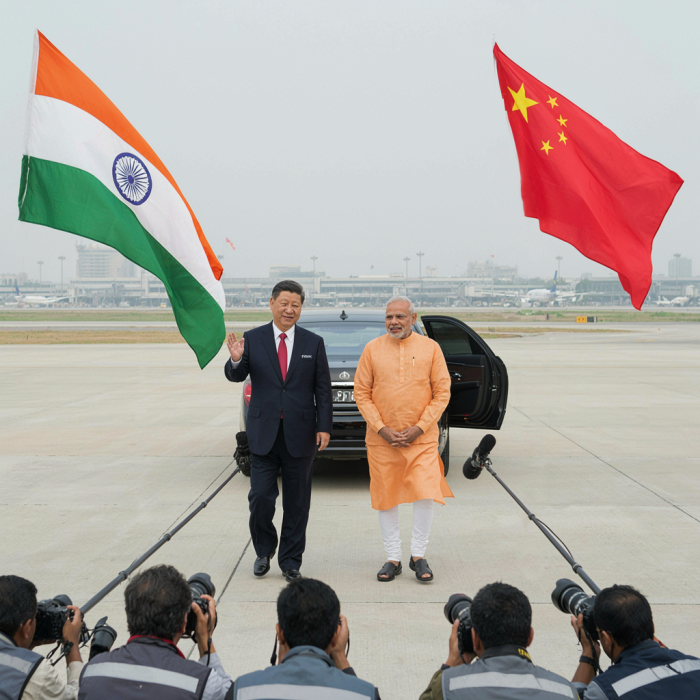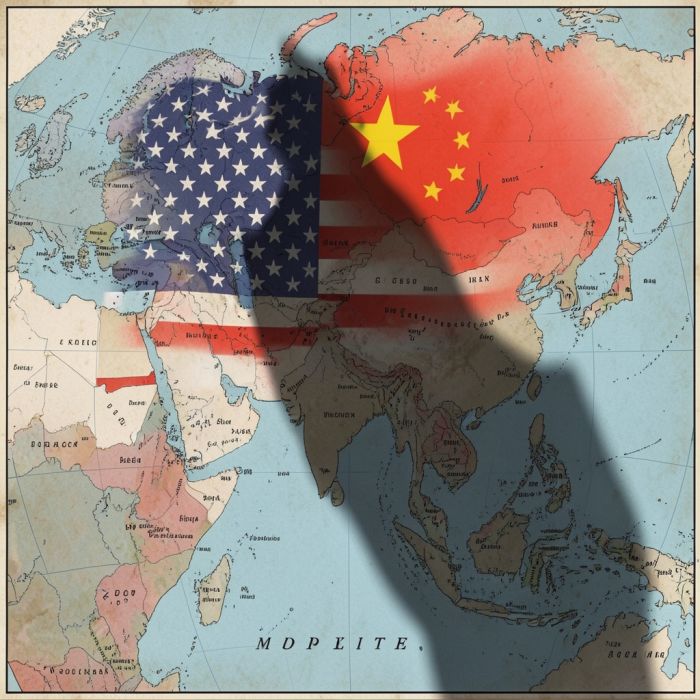


Global trade has once again become the center of international politics.
President Donald Trump has introduced a new round of tariffs on imports from 60 countries, arguing that these measures are necessary to combat goods linked to forced labor and to protect American industries. The new duties generally 10% to 12.5% on affected imports replace an earlier temporary tariff regime that expired after the U.S. Supreme Court struck down broader tariffs imposed under emergency powers. The administration is now relying on Section 301 of the Trade Act of 1974, a more established legal framework for trade enforcement.
Supporters view the move as a strategy to strengthen domestic manufacturing and reduce dependence on foreign supply chains. Critics argue that it risks raising prices for consumers, straining relations with allies, and reigniting a global trade war at a time when the world economy is already facing geopolitical uncertainty.
What Has Changed?
The new tariffs apply to imports from dozens of trading partners, including China, the European Union, Japan, and many developing economies. According to the White House, the action targets countries that allegedly have not done enough to prevent products made with forced labor from entering global supply chains. Certain goods including oil, natural gas, fertilizers, and some critical minerals have been exempted because of their strategic importance.
The tariffs are intended to replace earlier measures that were ruled unlawful by the Supreme Court. By using Section 301, the administration aims to make the policy more legally durable while maintaining pressure on major trading partners.
Why Is This So Controversial?
Trade policy is rarely just about economics.
Tariffs increase the cost of imported goods. While this can help domestic manufacturers compete, it can also raise prices for businesses that rely on imported materials and, ultimately, for consumers.
Business groups and economists have warned that higher import costs could contribute to inflation, especially when combined with elevated energy prices caused by geopolitical tensions in the Middle East. Products such as footwear, electronics, machinery, and consumer goods could become more expensive if businesses pass higher costs on to customers.
At the same time, supporters argue that tariffs encourage companies to invest in domestic production, create jobs, and reduce strategic dependence on overseas manufacturing.
Europe Pushes Back
The European Union has questioned the U.S. justification for including EU goods under the new tariff framework.
EU officials argue that the bloc already maintains strong labor protections and rejects allegations that its forced-labor enforcement is inadequate. While the European Commission noted that the overall tariff arrangement remains broadly consistent with previous U.S.-EU agreements, senior officials have sought clarification from Washington and indicated that further discussions are necessary.
The dispute highlights a broader challenge facing transatlantic relations: balancing close political alliances with increasingly competitive economic interests.
China’s Response
China has also criticized the new tariffs, describing them as unjustified and harmful to international trade.
Beijing has long opposed unilateral U.S. tariff measures and has argued that such policies disrupt global supply chains and undermine the rules-based trading system. While China has not yet announced a comprehensive new response to this latest round of tariffs, analysts believe further trade measures remain possible if tensions continue to escalate.
A prolonged dispute between the world’s two largest economies would have consequences extending far beyond bilateral trade, affecting manufacturing, technology, shipping, and global investment.
What Does This Mean for Consumers?
Although tariffs are imposed on imported goods, economists generally agree that businesses often pass at least part of those costs on to consumers.
That means households may eventually see higher prices on products ranging from electronics and clothing to household goods and industrial equipment. Companies dependent on international supply chains may also face higher production costs, which can reduce competitiveness or delay investment decisions.
For businesses, uncertainty can be just as significant as the tariffs themselves. Frequent changes in trade policy make long-term planning more difficult, particularly for manufacturers and exporters.
Markets Are Watching Closely
Financial markets have so far reacted cautiously.
Investors recognize that tariffs can increase government revenue and provide short-term support to some industries, but they also understand that prolonged trade disputes can slow global economic growth.
Market analysts are paying particular attention to whether affected countries introduce retaliatory tariffs. If major trading partners respond with their own import restrictions, global trade volumes could weaken and economic uncertainty could increase.
Is This the Start of Another Trade War?
That is the question dominating discussions among economists and policymakers.
The current measures do not necessarily guarantee a full-scale trade war. Much will depend on how major economies respond and whether negotiations continue.
If diplomatic efforts succeed, the tariffs could become part of a broader framework for new trade agreements. If retaliation accelerates, however, the world could experience another prolonged period of economic tension similar to earlier U.S.–China trade disputes.
Conclusion
President Trump’s latest tariff policy marks one of the most significant developments in international trade this year.
Supporters argue that the measures protect American workers, strengthen domestic manufacturing, and reduce dependence on foreign supply chains. Critics warn that they may increase inflation, strain alliances, and slow global economic growth.
Whatever the long-term outcome, one fact is clear: trade has once again become one of the defining battlegrounds of global geopolitics. The decisions made over the coming months by Washington, Brussels, Beijing, and other major capitals will shape the future of international commerce for years to come.
Frequently Asked Questions?
The administration says the tariffs are intended to combat forced labor in global supply chains and support American manufacturing.
The tariffs apply to imports from 60 countries, including China, the European Union, Japan, and several other major trading partners.
Many economists believe some businesses may pass higher import costs on to consumers, potentially increasing prices for certain goods.
It depends on whether affected countries retaliate with their own tariffs or pursue negotiated solutions instead.