

Imagine a future where doctors don’t simply slow Parkinson’s disease they repair the damaged part of the brain itself.
For millions of people living with Parkinson’s disease, that idea has sounded like science fiction for decades. Current medications can reduce symptoms for many patients, but they cannot stop the disease from progressing or replace the brain cells that have already been lost.
Now, that could be changing.
Scientists have launched a world-first international Phase III clinical trial testing a revolutionary treatment that implants laboratory-grown dopamine-producing cells directly into the brains of people with Parkinson’s disease. Researchers hope these cells will survive, connect with existing brain tissue, and restore some of the neurological function lost as the disease progresses. If the trial succeeds, it could mark one of the biggest breakthroughs in modern neuroscience.
Why Parkinson’s Disease Has Been So Difficult to Treat
Parkinson’s disease affects nearly 10 million people worldwide, and that number is expected to rise sharply as populations age. The condition develops when specialized brain cells that produce dopamine gradually die.
Dopamine acts as one of the brain’s most important chemical messengers. It helps control movement, balance, coordination, and many automatic body functions.
As dopamine levels fall, patients may develop:
- Tremors
- Muscle stiffness
- Slowed movement
- Difficulty walking
- Balance problems
- Speech changes
Existing medications such as levodopa can replace some dopamine, improving symptoms temporarily. However, they cannot regenerate the neurons that have already been destroyed.
A Completely Different Approach
Instead of trying to increase dopamine using medication, researchers are attempting something far more ambitious.
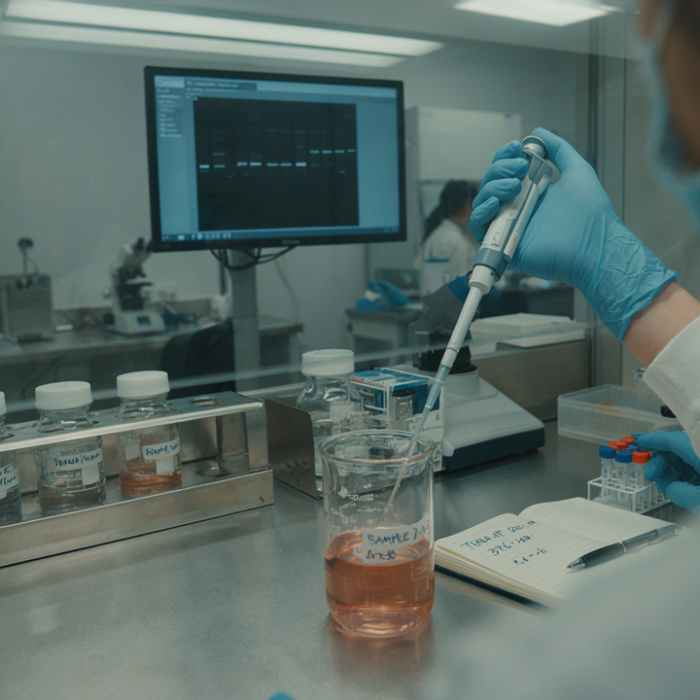
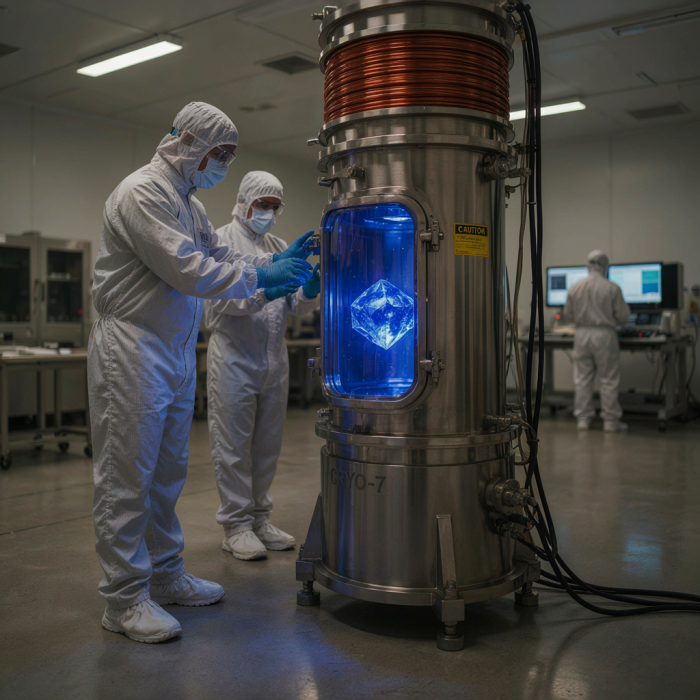
The experimental therapy involves growing healthy dopamine-producing cells in the laboratory before surgically implanting them into precise areas of the patient’s brain.
The hope is that these cells will begin functioning like natural neurons, releasing dopamine and reconnecting damaged neural circuits.
If successful, this would represent a shift from symptom management to brain repair.
That possibility has generated enormous excitement among neurologists worldwide.
The Trial That Could Change Neurology
The international trial involves 102 participants across Australia, the United States, and Canada.
Participants are randomly assigned to receive either the experimental cell therapy or a placebo procedure, allowing researchers to determine whether the treatment truly improves outcomes.
Those who receive the implanted cells will be monitored over many months to assess safety, movement, quality of life, and long-term neurological function.
Although results will take time, experts say this is one of the most advanced cell-therapy studies ever conducted for Parkinson’s disease.
Why Scientists Are So Excited
Brain cells rarely regenerate naturally.
For decades, many researchers believed replacing complex neural networks inside the human brain would be impossible.
Advances in stem cell biology, tissue engineering, and microsurgery have changed that thinking.
Today’s implanted cells are carefully developed to become dopamine-producing neurons before transplantation, dramatically improving their chances of functioning inside the brain.
Researchers believe this technology could eventually influence treatments for other neurological disorders as well.
Could This Help Other Brain Diseases?
The implications extend far beyond Parkinson’s disease.
Scientists are already investigating similar regenerative approaches for:
- Alzheimer’s disease
- Stroke recovery
- Spinal cord injury
- Huntington’s disease
- Amyotrophic lateral sclerosis (ALS)
Each condition presents unique challenges, but success in Parkinson’s could accelerate research across the entire field of regenerative neuroscience.
Challenges Still Remain
Despite the optimism, researchers caution that many important questions remain unanswered.
Scientists must determine:
- How long implanted cells survive.
- Whether they integrate safely into brain circuits.
- Whether they reduce symptoms consistently.
- Whether patients require lifelong immune-suppressing medication.
- Whether the treatment remains effective over many years.
Because this is a Phase III trial, rigorous evaluation will determine whether the therapy is both safe and effective before it could become widely available.
Why This Matters to the World
Neurological diseases are becoming one of the fastest-growing health challenges globally as life expectancy increases.
Parkinson’s disease alone affects millions of families, placing enormous emotional and economic pressure on healthcare systems.
A therapy capable of restoring damaged brain function rather than merely slowing symptoms would represent one of the most significant medical breakthroughs of the century.
It could fundamentally change how doctors approach neurodegenerative diseases.
The Future of Brain Repair
For decades, medicine has focused on helping patients adapt to neurological diseases.
The next era may focus on rebuilding the nervous system itself.
Artificial intelligence, stem cell biology, gene editing, and regenerative medicine are converging faster than ever before.
Many scientists believe we are entering a period where repairing damaged brain tissue may gradually become possible.
Whether this particular trial succeeds or not, it signals a major shift in neuroscience—from treating decline to attempting regeneration.
Conclusion
The world-first Parkinson’s cell therapy trial is more than another medical experiment.
It represents a bold attempt to solve one of medicine’s greatest challenges: repairing the human brain.
If successful, future generations may remember this moment as the beginning of a new era in neurological medicine—one where diseases once considered irreversible become treatable in entirely new ways.
Frequently Asked Questions?
Parkinson’s disease is a progressive neurological disorder that affects movement. It occurs when dopamine-producing nerve cells in a part of the brain called the substantia nigra gradually die. As dopamine levels decrease, patients may experience tremors, muscle stiffness, slow movement, balance problems, and changes in speech.
The exact cause is still unknown. Scientists believe Parkinson’s develops due to a combination of genetic factors, environmental exposures, and age-related changes in the brain. Most cases are not inherited directly, although certain genetic mutations can increase the risk.
Researchers are testing a new cell therapy that implants laboratory-grown dopamine-producing brain cells into patients. The goal is to replace the neurons destroyed by Parkinson’s disease rather than simply treating its symptoms. If successful, this could represent a major step toward regenerative treatment for neurological diseases.
Not yet. The therapy is currently being evaluated in clinical trials to determine its safety and effectiveness. While early research is promising, scientists emphasize that more evidence is needed before it can be considered a standard treatment or a cure.