Clear Filters
Clear Filters
Clear Filters


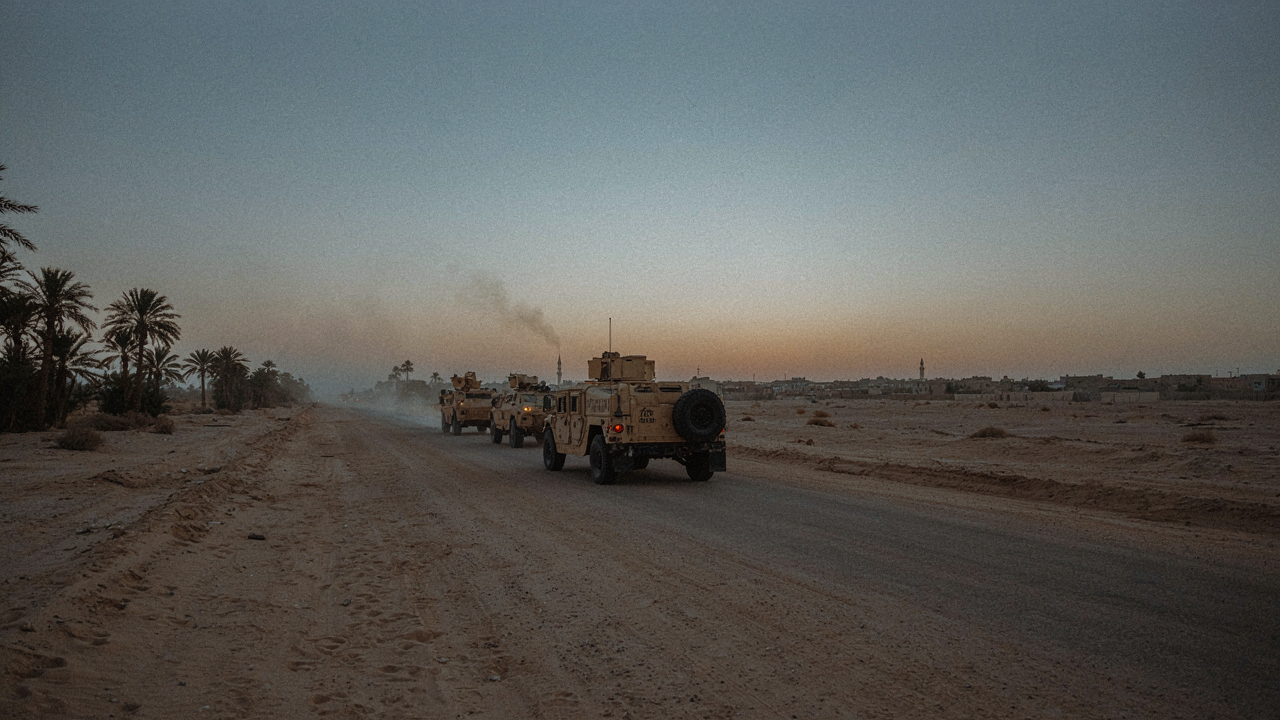
The Middle East has entered one of its most volatile periods in years after the United States confirmed a new wave of military strikes against Iran. The attacks follow Iran’s missile assault on U.S. forces in Jordan and have intensified fears that the conflict could expand beyond bilateral retaliation into a broader regional war involving multiple countries.
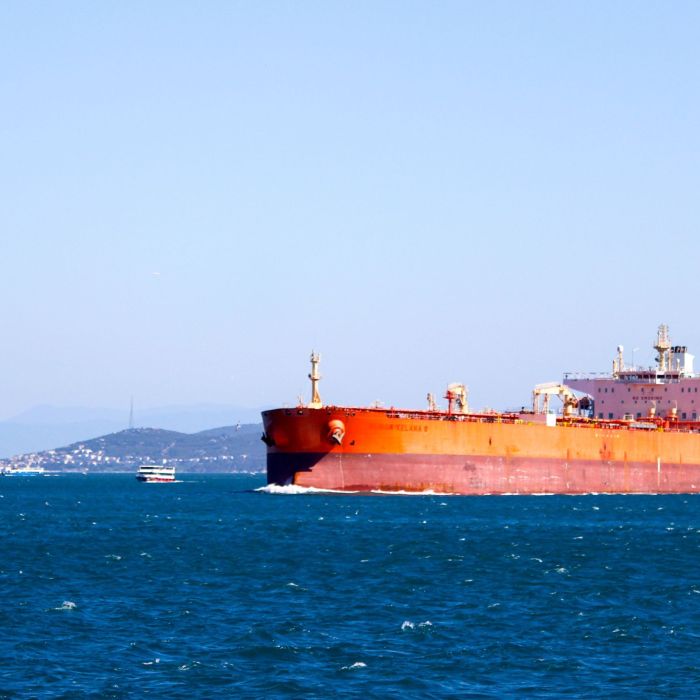
The Strait of Hormuz is only about 33 kilometres (21 miles) wide at its narrowest point, yet it carries roughly one-fifth of the world’s oil supply. As military tensions escalate around this strategic waterway, governments, businesses, and consumers worldwide are watching closely because what happens here could affect fuel prices, inflation, and global economic stability. Recent fighting has slowed tanker traffic and increased concerns over energy security.
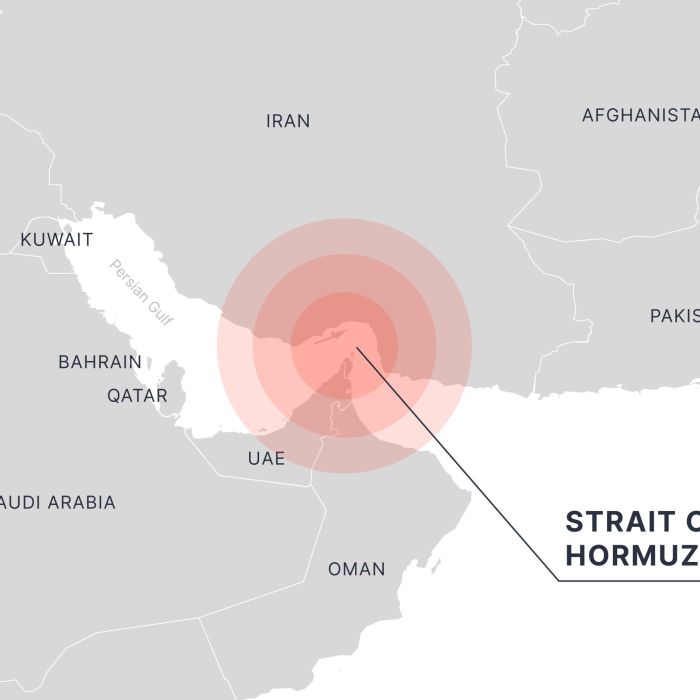
Donald Trump’s claim that the Strait of Hormuz is “American territory” has intensified the U.S.-Iran confrontation around one of the world’s most critical energy chokepoints. With commercial shipping severely disrupted and oil prices under pressure, the crisis could have far-reaching consequences for Iran, India, China, global energy markets and international security.