

Artificial Intelligence Has Become the Center of Startup Innovation
Just a few years ago, artificial intelligence was viewed as an emerging technology with enormous promise but uncertain commercial outcomes. Fast forward to 2026, and that perception has changed dramatically.
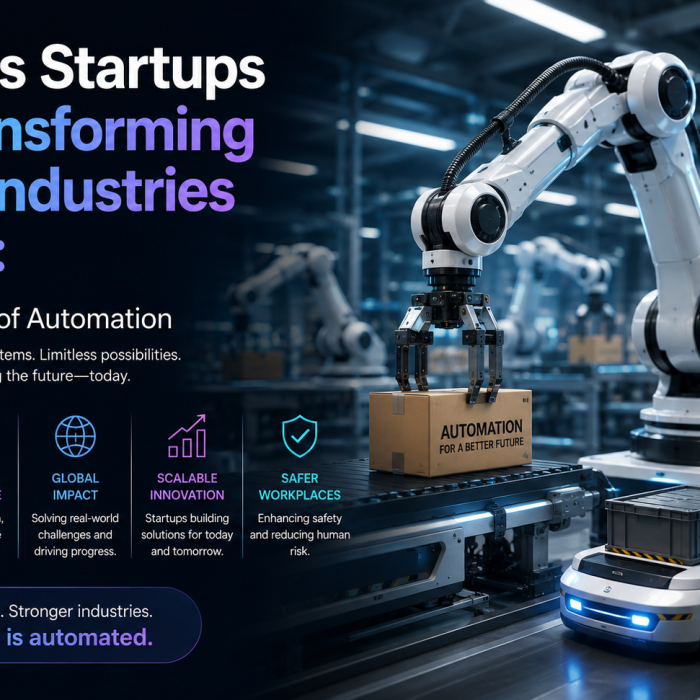
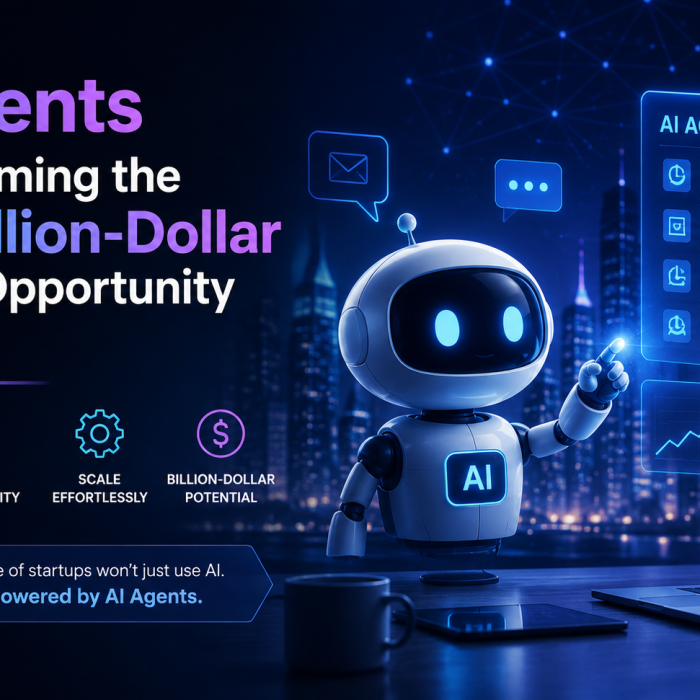
Today, AI startups are not only attracting unprecedented investment but are also redefining how businesses operate, how consumers interact with technology, and how industries innovate. Venture capital firms, corporate investors, and government-backed funds are increasingly channeling their resources into startups building intelligent software, automation platforms, robotics, cybersecurity tools, healthcare solutions, and enterprise AI products.
The momentum is unmistakable. Global venture funding reached record levels in the first half of 2026, with AI companies capturing a substantial share of new investment. Investors are increasingly concentrating larger amounts of capital into startups that demonstrate scalable AI products and strong commercial potential.
Rather than chasing every new idea, investors are prioritizing startups capable of delivering measurable business outcomes using artificial intelligence.
Why Investors Continue to Bet Big on AI
The excitement surrounding AI is no longer driven solely by curiosity. Businesses across nearly every industry are actively integrating AI into their operations to improve productivity, reduce costs, and create entirely new customer experiences.
From financial services and manufacturing to education and healthcare, organizations are seeking solutions that automate repetitive tasks, analyze large datasets, and support faster decision-making. This widespread demand has created fertile ground for startups capable of delivering practical AI applications.
Investors are responding by backing companies that solve real-world business problems rather than simply showcasing impressive technology. Enterprise software, cybersecurity, developer tools, robotics, and vertical AI applications remain among the most attractive segments for venture funding.
Funding Records Continue to Fall
One of the strongest indicators of investor confidence is the size of funding rounds announced throughout 2026.
Across North America, Europe, and Asia, AI startups have secured multi-million and even billion-dollar investments. Recent funding data highlights a steady stream of significant rounds for companies developing AI infrastructure, enterprise platforms, defense technologies, robotics, and automation solutions.
This surge reflects a broader shift in venture capital strategy. Rather than spreading investments thinly across many startups, investors are concentrating capital into businesses they believe can become market leaders.
The result is a more competitive startup landscape where founders must demonstrate strong execution, scalable business models, and sustainable revenue growth alongside technical innovation.
Asia Is Emerging as a Global AI Powerhouse
While Silicon Valley continues to dominate headlines, Asia has become one of the fastest-growing regions for startup investment.
China experienced one of its strongest quarters for startup funding in years, driven largely by artificial intelligence companies. Investors are increasingly supporting AI infrastructure, semiconductor development, robotics, and enterprise software as governments and private capital seek long-term technological leadership.
India is also witnessing remarkable growth.
Government initiatives, accelerator programs, and increased venture investment are encouraging a new generation of AI-first startups focused on healthcare, agriculture, education, financial inclusion, and multilingual AI solutions. Google’s latest accelerator cohort in India highlights startups tackling climate resilience, enterprise automation, and public services using AI.
This expanding ecosystem is creating opportunities for entrepreneurs beyond traditional technology hubs.
What Makes Today’s AI Startups Different?
Unlike the first wave of AI companies, today’s startups are focused less on building experimental technology and more on solving specific business challenges.
Successful startups are developing products that help businesses:
- Automate customer support
- Improve software development
- Detect cybersecurity threats
- Accelerate medical research
- Optimize logistics
- Enhance financial decision-making
- Improve manufacturing efficiency
- Support multilingual communication
This practical approach makes it easier for businesses to justify AI adoption because they can measure improvements in productivity, efficiency, and return on investment.
Investors increasingly favor founders who understand customer problems deeply and build AI products around clear commercial use cases.
Challenges Still Remain
Despite the optimism, launching an AI startup is far from easy.
Training advanced AI models requires significant computing infrastructure, specialized talent, and access to high-quality datasets. Rising infrastructure costs, evolving regulations, data privacy concerns, and global competition continue to present challenges for founders.
Competition is also intensifying.
Thousands of startups are entering the AI market every year, making product differentiation more important than ever. Companies that combine technical excellence with strong customer experience, transparent AI practices, and sustainable business models are more likely to succeed over the long term.
What This Means for Entrepreneurs
For founders, the current investment climate offers significant opportunities but only for those building products with genuine market demand.
Instead of creating AI for the sake of using AI, successful entrepreneurs are focusing on industries where automation delivers measurable value. Healthcare, legal technology, financial services, climate technology, manufacturing, agriculture, education, and cybersecurity remain among the most promising sectors.
Building trust is becoming just as important as building technology. Investors increasingly evaluate governance, security, responsible AI practices, and long-term scalability alongside innovation.
Looking Ahead
Artificial intelligence is expected to remain one of the defining themes of global entrepreneurship over the next decade.
As AI models become more capable and accessible, startups will shift from building general-purpose tools toward specialized solutions tailored to individual industries and business workflows.
The next generation of startup success stories may not necessarily come from the largest technology companies. Instead, they are likely to emerge from agile founders solving highly specific problems using intelligent software.
For investors, entrepreneurs, and business leaders alike, one thing is becoming increasingly clear: AI is no longer simply another technology trend it has become a core driver of innovation, productivity, and economic growth.
Frequently Asked Questions
Investors see strong commercial demand for AI-powered solutions that improve productivity, automate workflows, and create new business opportunities across multiple industries.
Healthcare, cybersecurity, enterprise software, robotics, financial technology, education, manufacturing, and climate technology are among the leading sectors.
While funding conditions may fluctuate, analysts expect AI to remain a major area of venture investment as businesses continue adopting intelligent technologies.
Conclusion
The AI startup funding boom of 2026 is more than a wave of investor enthusiasm it reflects a structural transformation in how technology is built, financed, and deployed. As venture capital increasingly favors startups delivering practical, scalable AI solutions, entrepreneurs have a unique opportunity to solve real-world problems and shape the next generation of global innovation. The companies that combine cutting-edge technology with clear customer value, responsible AI practices, and sustainable business models will be the ones most likely to define the future of the startup ecosystem.