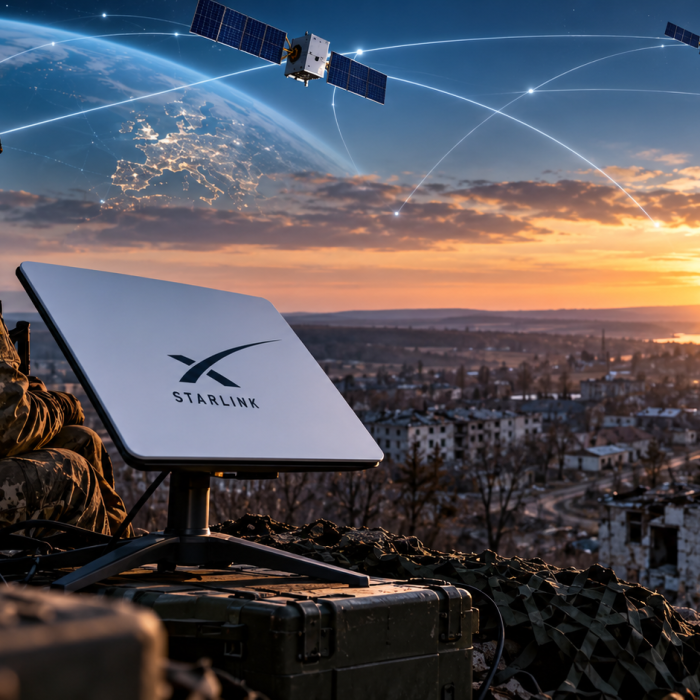


Artificial Intelligence is no longer just a technological breakthrough—it has become one of the defining forces shaping global politics. In 2026, governments around the world are investing billions of dollars into AI research, advanced semiconductor manufacturing, cybersecurity, and autonomous technologies, recognizing that leadership in AI could determine economic prosperity, military capability, and geopolitical influence for decades to come.
Much like the space race of the 20th century, today’s competition revolves around innovation rather than territory. Nations are increasingly viewing AI as a strategic resource capable of transforming industries, strengthening national defense, and influencing the balance of global power.
Why AI Has Become a Geopolitical Priority
Artificial Intelligence has rapidly evolved from a business tool into critical national infrastructure. AI systems now assist in healthcare, transportation, finance, manufacturing, scientific research, and public administration.
Governments recognize that countries leading AI innovation may enjoy significant economic advantages through increased productivity, technological exports, and high-value industries. At the same time, AI is becoming essential for modern defense systems, intelligence gathering, cyber defense, and emergency response.
As a result, investment in AI has become a central component of many national development strategies.
The Importance of Semiconductor Technology
Behind every advanced AI system lies powerful computer hardware. Modern AI models require sophisticated semiconductor chips capable of processing enormous amounts of data at incredible speeds.
This has made semiconductor manufacturing one of the world’s most strategically important industries. Governments are supporting domestic chip production, encouraging research, and diversifying supply chains to reduce dependence on a small number of manufacturing hubs.
Access to advanced computing infrastructure is increasingly viewed as essential for maintaining technological competitiveness.
AI and National Security
Artificial Intelligence is transforming military planning and national security. Modern defense organizations are exploring AI-powered surveillance systems, autonomous drones, cybersecurity platforms, logistics optimization, and intelligence analysis.
Importantly, many governments continue to emphasize that meaningful human oversight should remain part of critical military decisions, particularly where the use of force is involved. As AI capabilities advance, policymakers are also debating international norms and regulations to reduce risks associated with autonomous systems.
The challenge is balancing technological innovation with responsible governance and international stability.
Economic Competition in the AI Era
The global AI race extends well beyond defense. Nations are competing to attract technology companies, skilled researchers, and investment in AI infrastructure.
Countries that successfully integrate AI into education, healthcare, manufacturing, agriculture, and scientific research may achieve faster economic growth and greater resilience in an increasingly digital world.
This competition has also accelerated investment in cloud computing, data centers, quantum computing, and advanced research institutions.
International Cooperation and Regulation
Despite intense competition, Artificial Intelligence presents challenges that require international cooperation. Governments, academic institutions, and technology companies are working together to establish standards for AI safety, transparency, and ethical development.
Topics such as privacy protection, misinformation, intellectual property, algorithmic fairness, and cybersecurity increasingly require coordinated global responses.
Finding common ground will be essential as AI systems become more powerful and widespread.
Looking Ahead
The global AI race is likely to shape international politics throughout the coming decades. Unlike traditional geopolitical rivalries focused on military strength alone, this new competition combines technology, economics, education, innovation, and diplomacy.
Countries that invest wisely in research, infrastructure, and responsible AI governance will be better positioned to navigate the opportunities and challenges ahead.
Artificial Intelligence is no longer simply changing how people work—it is changing how nations compete, cooperate, and prepare for the future. As AI continues to evolve, its influence on geopolitics will only become more significant.
Frequently Asked Questions
The Global AI Race refers to the competition among countries to become leaders in artificial intelligence research, infrastructure, innovation, and regulation.
AI influences economic growth, national security, technological leadership, cybersecurity, scientific research, and global competitiveness.
Advanced semiconductor chips provide the computing power required to develop and operate modern AI systems.
Many governments support international cooperation on AI safety, ethics, and governance while continuing to compete in technological innovation.