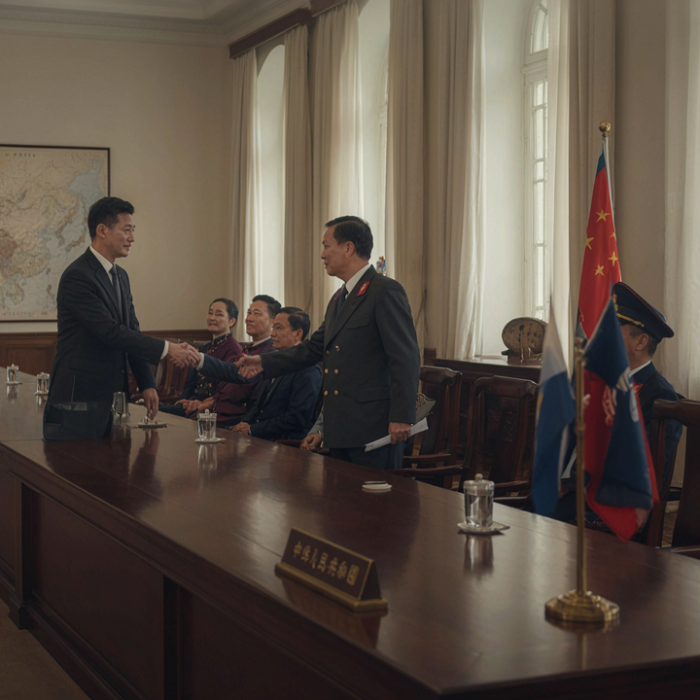
Xi Jinping and Vladimir Putin have both reaffirmed their strategic relationships with Kim Jong Un as North Korea marks its 78th founding anniversary. At the same time, Pyongyang is strengthening physical and economic connections with both China and Russia, raising questions about whether North Korea is becoming an increasingly important part of the emerging Eurasian power network.
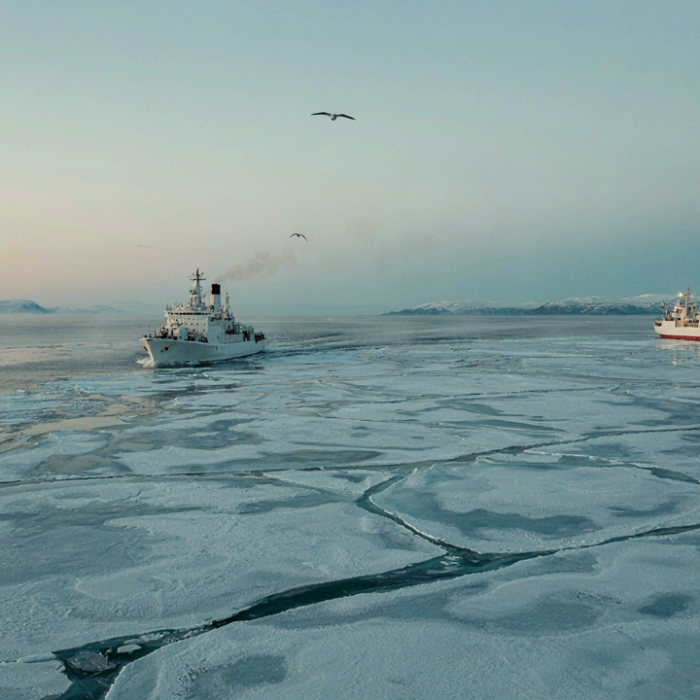
The Arctic is rapidly becoming a new center of global geopolitical competition. As melting sea ice opens potential shipping routes and exposes valuable resources, Russia, China and NATO are expanding their economic and strategic interests in the region.

Europe is facing a growing series of suspected sabotage operations, drone incursions and cyberattacks as the war in Ukraine increasingly spills into the security environment of NATO countries. The suspected attack at Leipzig/Halle Airport has become one of the most serious cases, but Germany has not officially attributed it to Russia. The larger question is whether Moscow is deliberately testing how far it can push NATO without triggering a direct military confrontation.
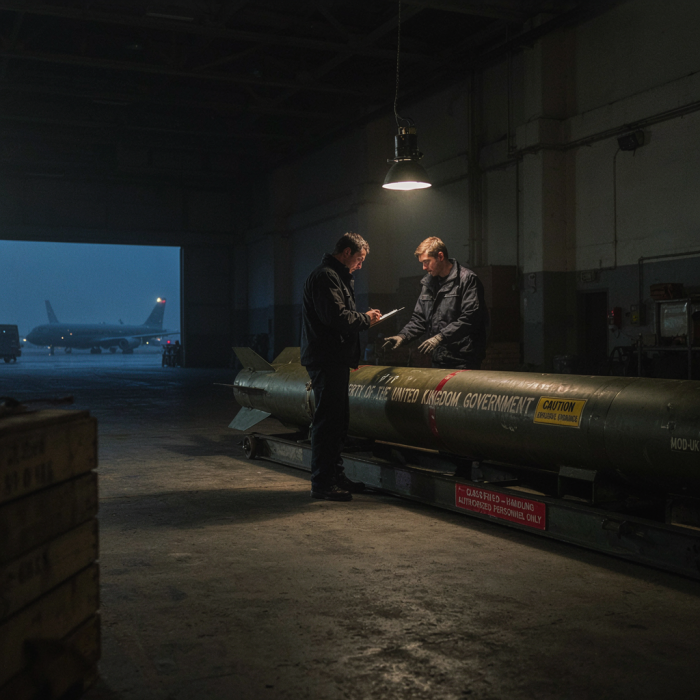
Britain has announced that Ukraine will gain access to classified technology needed to produce components for Storm Shadow long-range cruise missiles. The move came during British Prime Minister Andy Burnham’s first foreign visit to Kyiv and immediately triggered a strong response from Moscow. The decision could mark an important shift from supplying Ukraine with finished weapons toward helping it build more of its own long-range strike capabilities.
Russia has conducted military exercises involving missiles and naval forces near Japan’s disputed southern Kuril Islands, adding another layer of tension to an already complicated relationship. The drills come at a particularly sensitive time for the Indo-Pacific, where Russia, Japan, China and the United States are increasingly involved in a broader struggle over security and influence.