Clear Filters
Clear Filters
Clear Filters

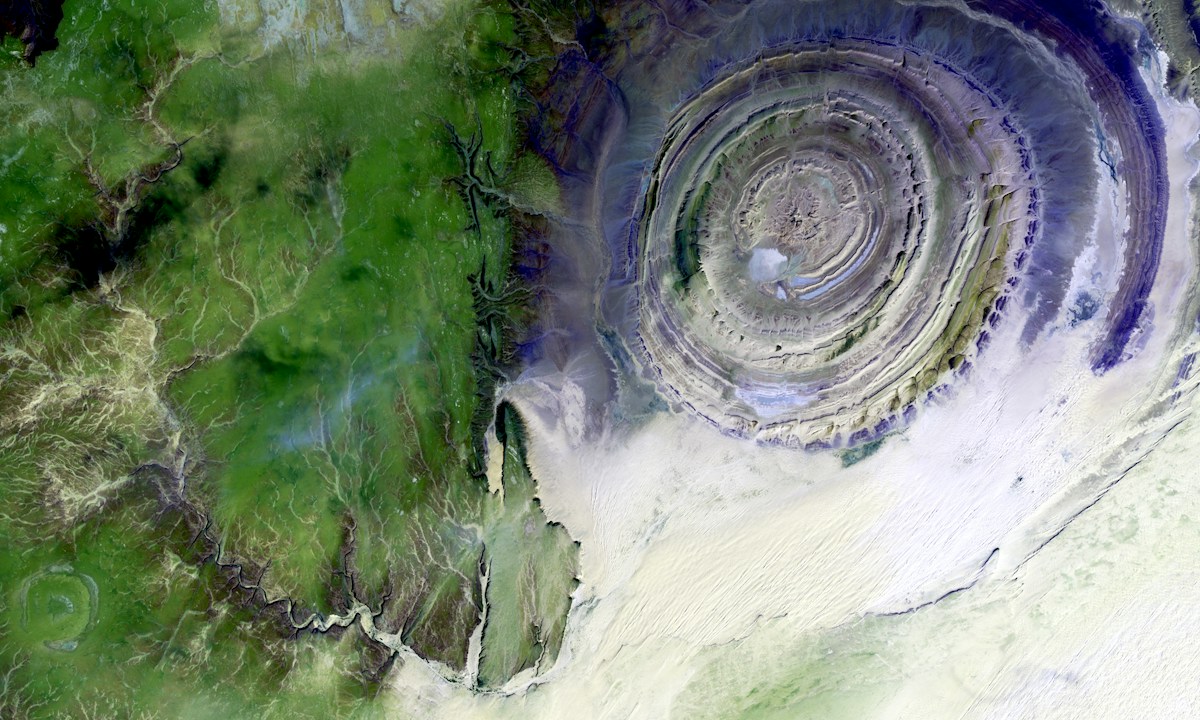
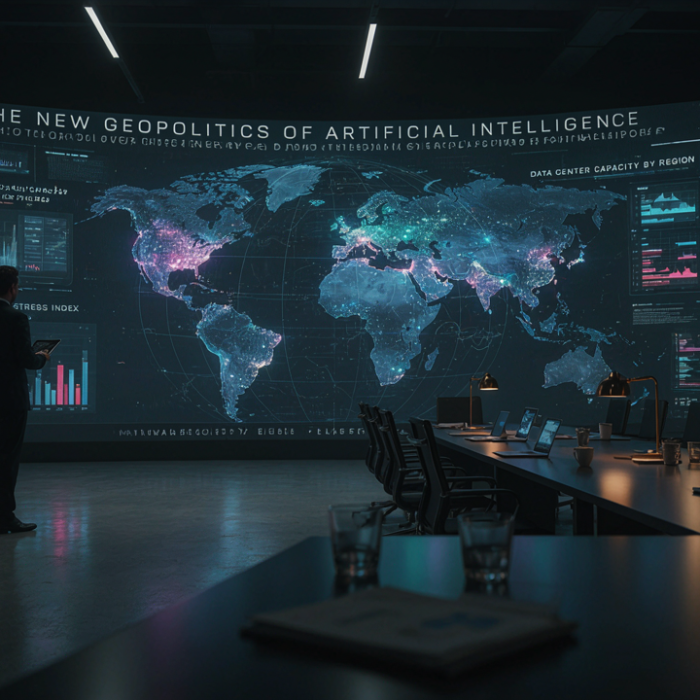
Artificial intelligence is changing more than the technology industry. From semiconductor manufacturing and electricity supplies to data centers and export restrictions, countries are competing to control the infrastructure behind AI. The outcome could reshape economic influence, national security and international relations.
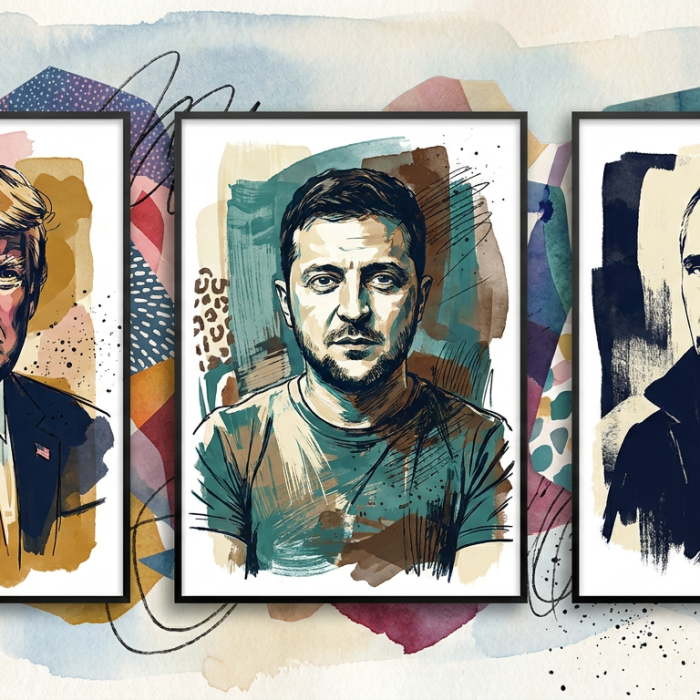
Washington’s decision to ease restrictions on Russian diesel has exposed a new disagreement with Kyiv. As global energy prices rise and peace negotiations continue, the conflict between economic priorities and wartime sanctions is becoming increasingly difficult to resolve.
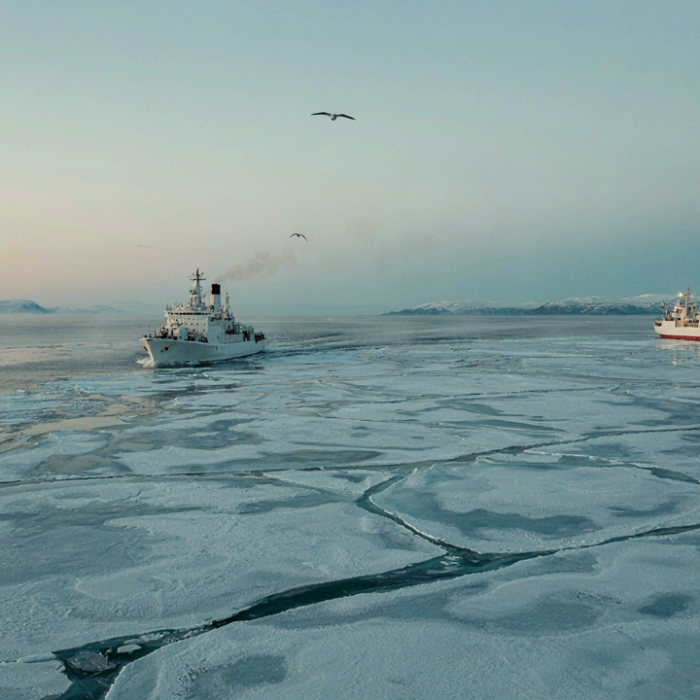
The Arctic is rapidly becoming a new center of global geopolitical competition. As melting sea ice opens potential shipping routes and exposes valuable resources, Russia, China and NATO are expanding their economic and strategic interests in the region.

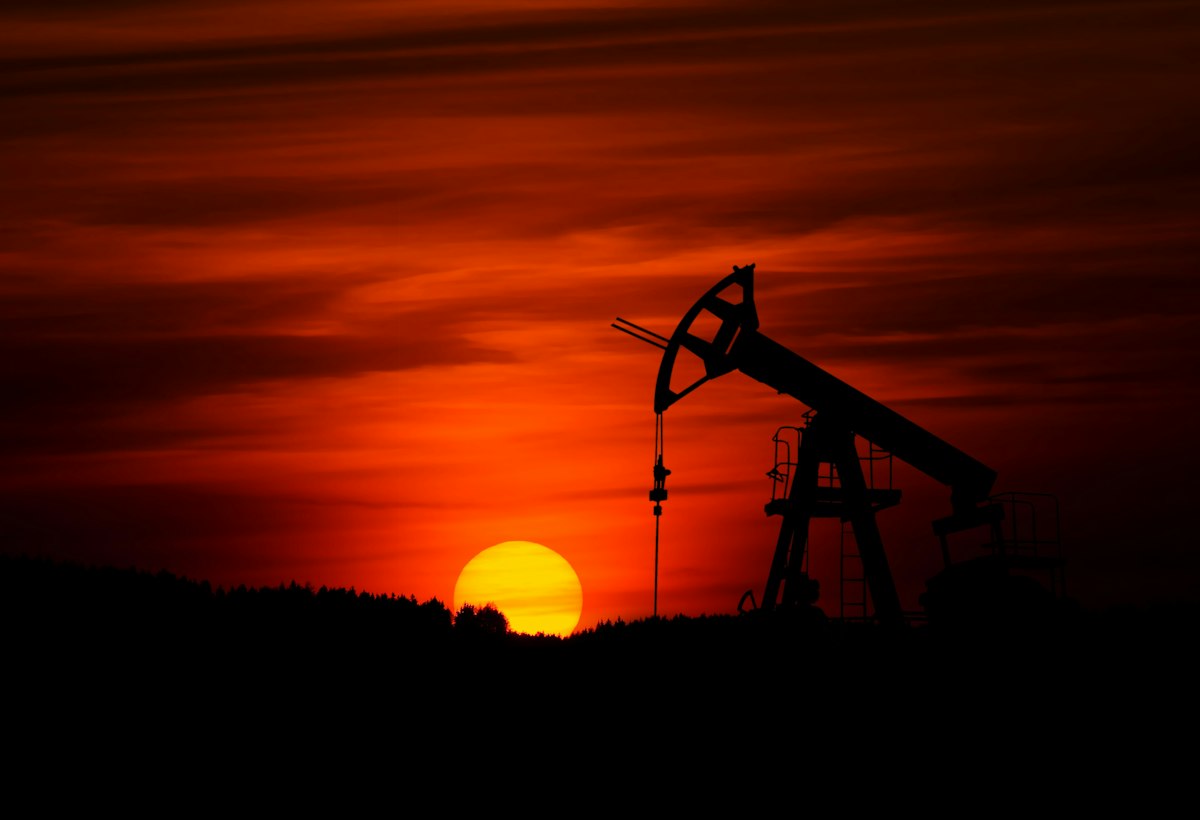
The Strait of Hormuz is only about 33 kilometres (21 miles) wide at its narrowest point, yet it carries roughly one-fifth of the world’s oil supply. As military tensions escalate around this strategic waterway, governments, businesses, and consumers worldwide are watching closely because what happens here could affect fuel prices, inflation, and global economic stability. Recent fighting has slowed tanker traffic and increased concerns over energy security.

Whoops, you're not connected to Mailchimp. You need to enter a valid Mailchimp API key.