

New American sanctions against the International Criminal Court have revived a fundamental question about global justice: can international law remain credible when powerful governments resist accountability?
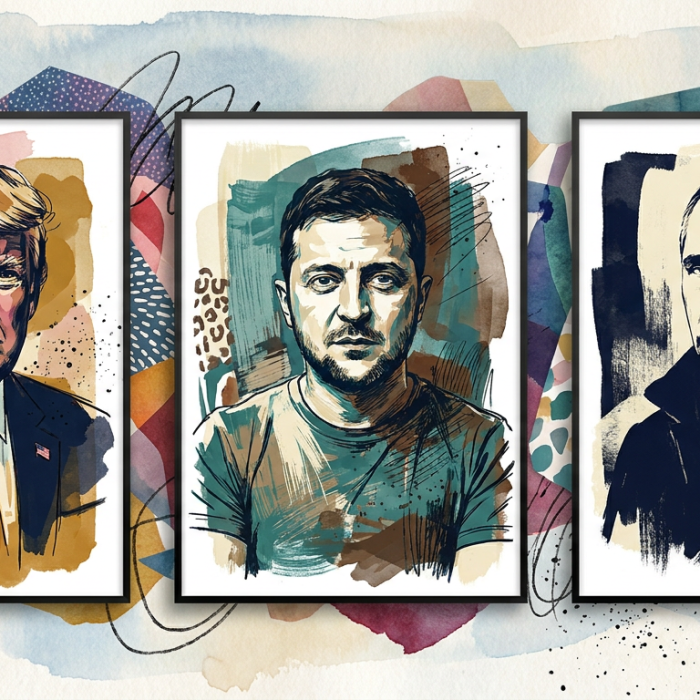
Washington’s decision to ease restrictions on Russian diesel has exposed a new disagreement with Kyiv. As global energy prices rise and peace negotiations continue, the conflict between economic priorities and wartime sanctions is becoming increasingly difficult to resolve.
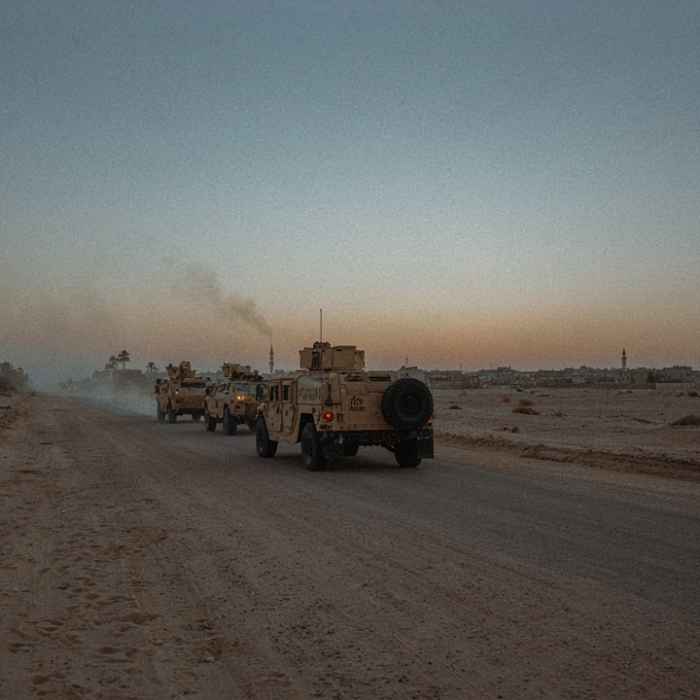
The last U.S. forces have left Iraq, formally ending the American-led military mission against ISIS and closing a military chapter that began with the 2003 invasion. The withdrawal creates a new security landscape in which Baghdad must assume greater responsibility while balancing relations with Washington, Tehran and powerful domestic armed groups.

Ethiopia’s fragile Tigray peace process is facing its most serious test since the 2022 Pretoria agreement. Tigrayan forces have seized three airports and fighting has spread beyond Tigray, raising concerns about a wider conflict involving Ethiopia’s regions and neighbouring states.
Chinese President Xi Jinping will visit the United States from September 23 to 25 for a state visit at the invitation of Donald Trump. With tensions over trade, Taiwan, technology, Iran and global security all converging, the Trump-Xi summit could become one of the most consequential diplomatic meetings of 2026.
Xi Jinping and Vladimir Putin have both reaffirmed their strategic relationships with Kim Jong Un as North Korea marks its 78th founding anniversary. At the same time, Pyongyang is strengthening physical and economic connections with both China and Russia, raising questions about whether North Korea is becoming an increasingly important part of the emerging Eurasian power network.
The world’s internet appears to exist in the cloud, but much of it physically travels beneath the oceans. Thousands of kilometres of submarine cables connect continents, financial centres and military networks. As competition between major powers intensifies, these cables are becoming critical geopolitical infrastructure. The next major confrontation between global powers may not begin with a missile or aircraft. It could begin somewhere beneath the sea.
Europe is facing a growing series of suspected sabotage operations, drone incursions and cyberattacks as the war in Ukraine increasingly spills into the security environment of NATO countries. The suspected attack at Leipzig/Halle Airport has become one of the most serious cases, but Germany has not officially attributed it to Russia. The larger question is whether Moscow is deliberately testing how far it can push NATO without triggering a direct military confrontation.
Seven years after his last visit to India, Xi Jinping is expected to return to New Delhi for the September 2026 BRICS summit. At the same time, India’s National Security Adviser Ajit Doval is in Beijing for high-level boundary talks with Wang Yi. The timing is significant. After the Galwan clash and years of military tension along the Himalayas, India and China appear to be testing whether strategic rivalry can coexist with diplomatic and economic engagement.