How to Start Gardening for Beginners: A Complete Step by Step Guide
Starting a garden can feel exciting and slightly overwhelming.
You may look at beautiful gardens filled with healthy vegetables, colourful flowers and thriving plants and wonder where to begin.
Do you need a large garden?
Do you need expensive tools?
Which plants should you buy?
How often should you water them?
The good news is that gardening for beginners does not have to be complicated.
You don’t need to become an expert before planting your first seed. In fact, one of the best ways to learn gardening is simply to start, make a few mistakes and understand what your plants need along the way.
Whether you have a large backyard, a small balcony, a terrace or just a few pots near a sunny window, you can begin your gardening journey.
This beginner gardening guide will walk you through the basics step by step.
1. Start Small With Your First Garden
One of the biggest mistakes beginner gardeners make is starting too big.
It is easy to feel motivated and buy dozens of plants, seeds and gardening supplies. But a large garden requires more watering, maintenance and attention.
When you are learning, it is better to start with something manageable.
For example, you can begin with:
- Three to five pots
- A small vegetable bed
- A few easy flowering plants
- A balcony garden
- A small herb garden
Starting small allows you to understand the basics without feeling overwhelmed.
As your confidence grows, you can gradually expand your garden.
Remember: a small healthy garden is better than a large neglected one.
2. Choose the Right Location
Before buying plants, spend some time observing your space.
Plants need different amounts of sunlight.
Some plants love full sun, while others grow better in partial shade.
Look at your garden, balcony or terrace during different parts of the day.
Ask yourself:
- How many hours of sunlight does this area receive?
- Is the space very hot during the afternoon?
- Does the area remain shaded most of the day?
- Is the location exposed to strong winds?
Most vegetables and many flowering plants generally grow best with plenty of sunlight.
Leafy plants and certain ornamental plants can tolerate more shade.
Choosing the right location before planting can save you a lot of problems later.
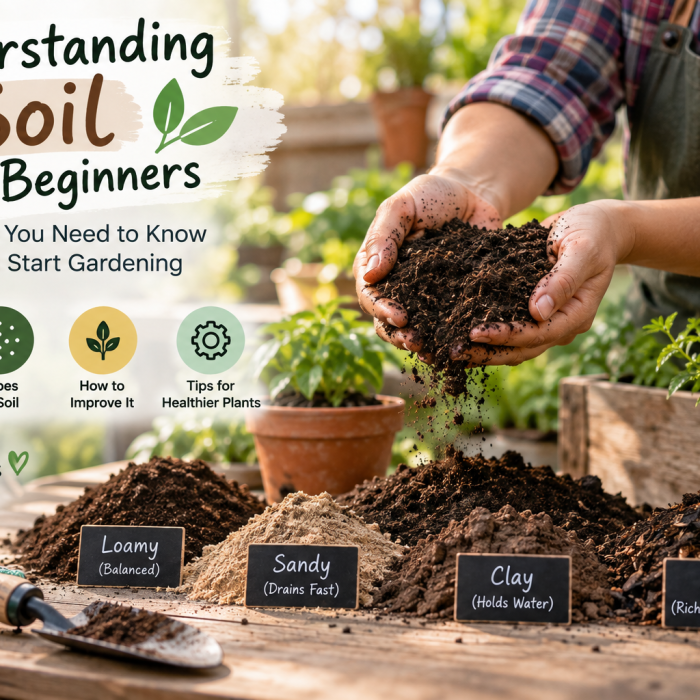
3. Understand the Importance of Soil
Healthy soil is one of the foundations of successful gardening.
Think of soil as your plant’s home.
Plants depend on it for:
- Water
- Nutrients
- Oxygen around their roots
- Physical support
Good garden soil should not remain extremely hard and compacted.
It should allow water to drain while also retaining enough moisture for the plant.
For beginners, a good-quality potting mix is often easier to use for container gardening.
For outdoor gardens, you may need to improve the existing soil by adding organic matter such as compost.
Healthy soil usually leads to healthier plants.
That is why professional gardeners often say that successful gardening begins below the ground.
4. Choose Easy Plants for Beginners
Not every plant is ideal for someone starting their first garden.
Some plants require careful temperature control, regular pruning or protection from pests.
As a beginner, choose plants that are relatively easy to grow.
Popular beginner-friendly options may include:
Herbs
- Mint
- Basil
- Coriander
- Rosemary
Vegetables
- Tomatoes
- Chillies
- Radishes
- Lettuce
- Beans
Flowers
- Marigolds
- Sunflowers
- Zinnias
- Petunias
The best plants for your garden will depend on your local climate, season and available sunlight.
Starting with easy plants helps you build confidence.
5. Don’t Plant Everything Too Close Together
When plants are small, it can be tempting to place them very close together.
But plants grow.
Their roots need space, and their leaves need access to light and air.
Overcrowding can create problems such as:
- Poor airflow
- Competition for nutrients
- Increased risk of disease
- Smaller plants
- Difficulty watering
Always check the recommended spacing for the plants you are growing.
Giving plants enough room is one of the simplest ways to help them grow properly.
6. Learn How to Water Plants Correctly
Watering sounds simple.
But both too much water and too little water can damage plants.
One common beginner mistake is watering plants simply because it is time to water them.
Instead, check the soil.
If the surface and soil below are still moist, your plant may not need additional water.
If the soil is becoming dry, watering may be necessary.
Different plants have different requirements.
Weather also matters.
A plant may need more water during hot weather and less during cooler or rainy periods.
A useful rule is:
Check the soil before watering instead of following the same schedule every day.
Also make sure containers have proper drainage holes.
Standing water around roots can create serious problems.
7. Sunlight Is Food for Many Plants
Plants use sunlight to produce energy through photosynthesis.
That is why understanding sunlight is essential when starting a garden.
Generally, gardening locations can be described as:
Full Sun
Approximately six or more hours of direct sunlight.
Partial Sun or Partial Shade
A few hours of direct sunlight or filtered sunlight.
Shade
Very little direct sunlight.
Before buying a plant, check how much sunlight it needs.
A plant that loves full sun may struggle in a dark corner.
Likewise, a shade-loving plant can suffer if exposed to intense sunlight all day.
8. Use Containers if You Don’t Have a Garden
You don’t need a large backyard to start gardening.
Container gardening is an excellent option for beginners.
You can grow plants in:
- Pots
- Planters
- Grow bags
- Raised containers
- Recycled containers designed safely for planting
Container gardening is especially useful for:
- Apartments
- Balconies
- Terraces
- Small homes
Make sure your container has adequate drainage.
Also remember that plants in containers can dry out faster than plants growing directly in the ground.
9. Learn the Basic Gardening Tools
You don’t need dozens of tools when starting.
A few basic gardening tools are enough.
Consider having:
- Hand trowel
- Gardening gloves
- Watering can
- Pruning scissors
- Small hand fork
- Spray bottle
As your garden grows, you can add more equipment.
Avoid buying expensive tools before you know what type of gardening you enjoy.
10. Feed Your Plants With Organic Matter
Plants need nutrients to grow.
Over time, nutrients in the soil can become depleted.
Compost and other appropriate organic amendments can help improve soil structure and provide nutrients.
Compost can be made from suitable organic materials such as:
- Vegetable scraps
- Fruit scraps
- Dry leaves
- Garden waste
Avoid assuming that more fertilizer is always better.
Over-fertilizing can damage plants.
The goal is to provide appropriate nutrition based on the needs of the plant and the condition of the soil.
11. Expect Some Gardening Mistakes
Every gardener makes mistakes.
Even experienced professionals lose plants.
You might:
- Water too much
- Water too little
- Put a plant in the wrong location
- Choose the wrong plant for the season
- Forget about pests
- Plant something too close together
That’s normal.
Gardening is a continuous learning process.
Instead of becoming discouraged when a plant dies, try to understand why.
Was there enough sunlight?
Was the soil draining properly?
Was the plant suitable for the weather?
Every mistake can teach you something useful.
12. Create a Simple Gardening Routine
Gardens become easier to manage when you create a routine.
You don’t need to spend hours every day.
A simple routine could include:
Daily
Check plants for extreme dryness, damage or pests.
Every Few Days
Water plants as needed and remove dead leaves.
Weekly
Inspect plant growth, weeds and soil condition.
Monthly
Review which plants are growing well and identify any problems.
A few minutes of regular attention can prevent larger problems later.
13. Watch for Pests Early
Pests are a normal part of gardening.
You may eventually notice insects on leaves or plants.
The key is early observation.
Check:
- Under leaves
- New growth
- Stems
- Flowers
Not every insect is harmful.
Some insects can actually be beneficial to a garden.
Avoid immediately using strong chemicals without identifying the problem.
Start by understanding what is affecting your plant.
Healthy gardening involves observation as much as action.
14. Keep Learning as Your Garden Grows
Your first garden is only the beginning.
Once you understand the basics, you can explore:
- Vegetable gardening
- Flower gardening
- Organic gardening
- Container gardening
- Raised-bed gardening
- Composting
- Plant propagation
- Greenhouse gardening
- Landscape gardening
The more you garden, the more you begin to understand something interesting:
Every garden is different.
The soil is different.
The climate is different.
The sunlight is different.
What works perfectly for one gardener may need adjustment for another.
Common Gardening Mistakes Beginners Should Avoid
Here are some of the most common mistakes to avoid:
Starting Too Big
Begin with a small, manageable garden.
Overwatering
Check the soil instead of watering automatically.
Ignoring Sunlight
Choose plants based on the light available.
Using Poor Drainage
Make sure containers allow excess water to escape.
Buying Difficult Plants
Start with beginner-friendly plants.
Overcrowding
Give plants enough space to grow.
Expecting Instant Results
Gardening requires patience.
Final Thoughts: The Best Time to Start Gardening Is Now
Gardening doesn’t require perfection.
You don’t need professional knowledge.
You don’t need a huge garden.
You simply need a place to start.
Choose a few plants.
Learn how much sunlight they need.
Understand when they need water.
Pay attention to the soil.
And be patient.
Your first garden may not look perfect.
But with every new leaf, flower and harvest, you will learn something.
That is what makes gardening special.
You don’t become a gardener before you start gardening. You become one by growing.
Frequently Asked Questions
Start by choosing a small location with suitable sunlight. Select a few easy plants, use good-quality soil or potting mix, provide appropriate water and observe your plants regularly.
The easiest plant depends on your climate and growing conditions. Herbs, marigolds, radishes and some leafy vegetables are often good options for beginners.
Yes. You can start with container gardening on a balcony, terrace, patio or other suitable space with enough light.
There is no single watering schedule for every plant. Check the soil and water according to the plant’s needs, weather and growing conditions.
Basic gardening supplies include suitable soil, plants or seeds, containers or garden space, water and a few simple tools such as a hand trowel and gloves.